





Backyard Small Garden Ideas: Smart Ways to Transform a Small Outdoor Space
Many Canadian homeowners believe a small backyard limits what they can create outdoors. In reality, even the smallest backyard can become a cozy and functional extension of your home with the right layout and design ideas. The key is learning how to maximize every inch without making the space feel crowded. From vertical gardening and multi-functional furniture to budget-friendly landscaping upgrades, small backyards can still feel open, stylish, and highly practical. In this guide, you’ll discover creative backyard small garden ideas that help transform compact outdoor spaces into comfortable and beautiful outdoor living areas.
Key Takeaways
Small backyards can feel larger and more functional through thoughtful zoning, open pathways, and vertical gardening solutions.
Light colors, reflective surfaces, and simple materials help visually expand compact outdoor spaces while reducing visual clutter.
Multi-functional outdoor furniture improves space efficiency by combining seating, storage, and planting features in one compact design.
Low-maintenance plants, raised planters, and container gardens are practical landscaping solutions for small Canadian backyards.
Avoiding overcrowded layouts, oversized furniture, and blocked walkways helps maintain comfort, usability, and long-term backyard maintenance.
Define the Main Purpose of Your Backyard
Before starting any small backyard renovation or garden design, clarifying your core usage goals is the first and most important step. For small Canadian backyards that are limited in square footage, targeted design is the key to avoiding clutter and improving space utilization.
Create Functional Zones Without Overcrowding
Many homeowners make a common mistake when designing small courtyards: they use solid dividers, such as wooden lattice screens or tall hedges, to completely separate the dining area from the garden. In spaces with limited square footage, this approach tends to fragment the courtyard into too many small sections, which not only reduces the sense of visual depth but also makes the overall layout feel cramped and maze-like.
Instead, we recommend adopting a “soft zoning” approach that defines functional areas while maintaining a sense of continuity and openness. For example, you could lay an 8-by-10-foot outdoor polypropylene rug to serve as the visual focal point of the seating area. Alternatively, you can distinguish zones through the natural transition of different ground materials—such as having a wooden deck flow seamlessly into a fire pit lounge area covered in fine gravel. This approach clearly defines each functional space without blocking sightlines, making the small courtyard appear more open and fluid.
Keep Pathways Open to Make the Space Feel Larger
One of the biggest design mistakes in small backyards is overcrowding the main walking areas with oversized furniture, bulky planters, or excessive decorations. While homeowners often try to maximize every inch of space, filling narrow pathways with too many elements can make the backyard feel visually compressed and difficult to navigate. In compact outdoor spaces, blocked or winding walkways tend to break up the layout, making the yard appear smaller and more confined than it actually is.
Instead, prioritize open and unobstructed circulation paths that naturally guide movement throughout the backyard. A practical approach is to maintain a clear primary walkway of at least 24–32 inches wide, allowing comfortable daily movement without the space feeling tight. Straight or gently curved paths also help visually extend the depth of the yard, especially when paired with continuous paving materials such as stone, gravel, or decking. By keeping pathways visually open and easy to move through, even a very small backyard can feel more spacious, organized, and inviting.
How to Make a Small Backyard Feel Bigger
Once the layout feels functional and organized, the next step is making the backyard appear more open and spacious visually. Through scientific design skills and clever material selection, we can visually expand the outdoor space, break the sense of confinement of small areas, and create a spacious and bright backyard atmosphere.
Use Vertical Gardening to Save Floor Space
Scattering dozens of terracotta pots on the ground is a massive waste of walkable space. When floor space is limited, grow up. Attach weather-resistant cedar lattices to your existing fences to support fast-climbing Clematis or Honeysuckle. If you want to grow herbs like thyme and oregano, hang felt pocket planters directly on exterior brick walls. This keeps the center of your backyard completely clear for seating and movement.
Add Mirrors and Reflective Surfaces
A cramped backyard often feels even smaller when every surface absorbs light. To visually open up the space, install outdoor-rated mirrors on fences or brick walls where they can reflect greenery and sky views instead of direct sunlight. A slim stainless-steel panel beside a planter or a glass tabletop near the seating area can instantly create more visual depth without taking up extra room. Position reflective surfaces in shaded or partially shaded corners to avoid harsh glare during midday sun.
Choose Light Colors and Simple Materials
Heavy dark finishes and overly decorative materials can make a small backyard feel crowded fast. Instead, use light-toned materials like pale concrete pavers, natural cedar wood, or soft beige gravel to brighten the space and make it feel more open. Stick with clean-lined outdoor furniture and simple finishes rather than bulky pieces with ornate details. A streamlined layout with consistent colors and minimal visual clutter helps the entire backyard feel larger, cleaner, and easier to relax in.
Use Multi-Functional Outdoor Furniture
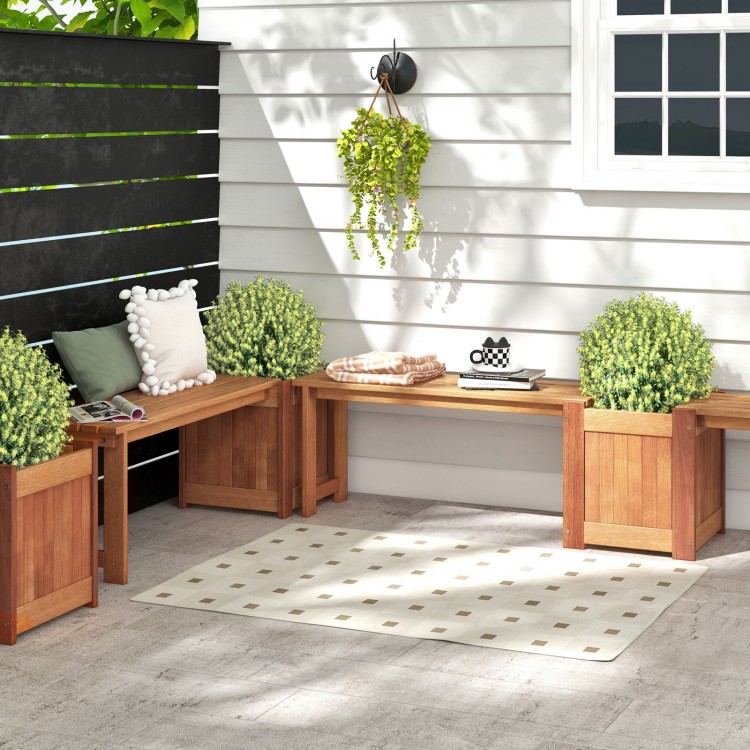
Bulky, single-function furniture is the enemy of small backyards. Instead of buying a standalone bench and three separate heavy planters, combine them to reclaim square footage. A perfect example is the Costway Teak Oil Finish Raised Garden Bed Wood Planter Box with Bench. At exactly 41 inches long, it provides comfortable seating for two adults while utilizing the 17-inch deep side boxes to hide ugly plastic nursery pots or grow shallow-rooted herbs like basil. This 2-in-1 combo saves at least 4 square feet of floor space compared to buying separate seating and planters, making it a brilliant hack for tight patios.
Small Backyard Ideas for Cozy Outdoor Living
A small backyard is not just a simple green space, but an extended cozy living area of your home. Especially in the pleasant summer of Canada, a well-designed small backyard can become a private retreat for family leisure, friend gatherings, and afternoon relaxation. Through reasonable layout and delicate decoration, we can create a warm, comfortable, and functional outdoor living space suitable for daily relaxation and small parties.
Create a Small Outdoor Dining Area
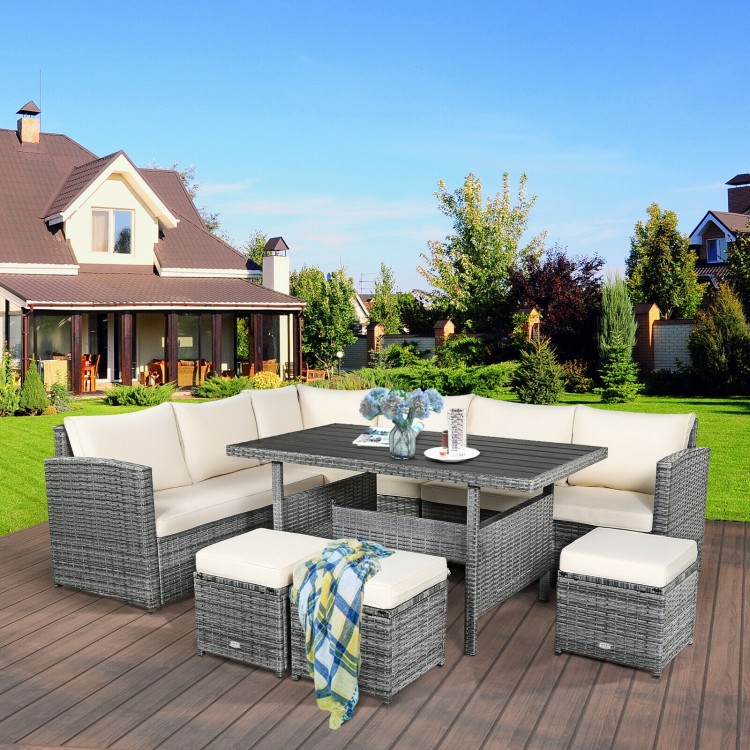
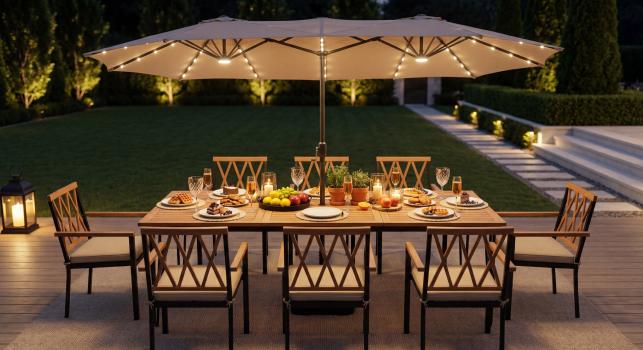
Outdoor dining is one of the most enjoyable ways to experience backyard life. Even in a tiny backyard, you can create a delicate, exclusive dining area for casual breakfast, afternoon tea, or intimate family dinners. For limited space, oversized dining tables and bulky chairs will make the space crowded, so compact and lightweight dining furniture is the first choice. The Outdoor Bistro Set with Slatted Seat and Tabletop for Backyard is perfectly tailored for small Canadian backyards. Retaining the original natural teak wood tone, this bistro set adds a warm, elegant vibe to your outdoor landscape and creates a cozy spot for casual meals and afternoon chats. The set includes 2 chairs and 1 table, perfect for couples and small family gatherings.
Build a Relaxing Lounge Corner
An exclusive lounge corner is the core of backyard cozy living. You can arrange a small waterproof lounge chair, a portable floor cushion, or a hanging chair in the quiet corner of the backyard, matched with soft outdoor throw pillows and waterproof blankets. Surround the lounge area with potted green plants and small flowering plants to form a semi-enclosed private leisure space. In the warm summer evening breeze of Canada, you can sit here to read books, listen to music, or enjoy the cool air, relaxing and relieving physical and mental pressure.
Add a Compact Fire Pit for Canadian Summers
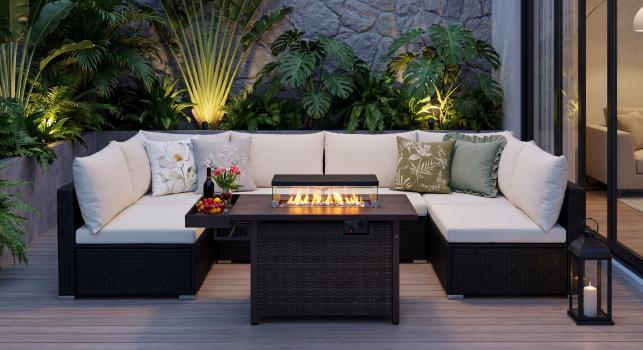
Canadian summer nights are often cool, and a compact fire pit is a perfect finishing touch for backyard leisure. Choose a small-sized low-smoke fire pit that meets residential safety standards, place it in the open middle area of the backyard, and match it with surrounding casual seats. On cool summer nights, you can gather with family and friends around the fire pit to chat and relax, resisting the slight night coolness while enjoying the unique fun of outdoor camping.
Design a Small Garden Seating Nook
Make full use of the dead corners and edge spaces of the backyard to create a delicate garden seating nook. Use plant trellises, tall potted plants, and low shrubs to enclose a small semi-private corner, and place a single leisure chair or a small double bench. This hidden seating nook is far from the activity area, quiet and comfortable, very suitable for personal meditation, reading, or enjoying private garden time. Properly decorating with hanging green plants and small garden ornaments can make this small corner full of natural vitality and become your exclusive healing space.
Easy Landscaping Ideas for Small Canadian Backyards
Small backyard landscaping does not need complicated and expensive designs. Simple, practical, and low-maintenance landscaping solutions are more suitable for Canadian family outdoor spaces, adapting to the local temperate climate and seasonal changes. The following easy-to-operate landscaping ideas can help you create a vibrant and neat garden with less time and energy investment.
Choose Low-Maintenance Plants
Skip delicate annual flowers. For Canadian backyards (Zones 3-5), choose hardy perennials that survive harsh winters and return every spring.
For shaded areas (under 4 hours of sun): Plant Hostas, Astilbes, and Ferns.
For sunny spots: Use Black-Eyed Susans (Rudbeckia) and Coneflowers (Echinacea). Once established, these plants are highly drought-tolerant, saving you from standing outside with a hose every evening during July heatwaves.
Use Raised Planters and Container Gardens
Planting directly into poor, clay-heavy urban soil is a recipe for stunted growth. Raised planters give you total control over soil quality and drainage. If you want to grow deep-rooted vegetables like carrots or tomatoes, your planter must be at least 12 to 18 inches deep. Use galvanized steel troughs or thick cedar wood; avoid cheap untreated pine, which will rot away after two wet Canadian springs.
Create Natural Privacy with Tall Plants and Trellises
In tight subdivisions, your seating area might be just 15 feet from your neighbor's window. Building an 8-foot solid wood fence makes the yard feel like a dark prison cell. Instead, use a "soft privacy" approach. Install a 6-foot slatted cedar screen (which allows wind and light through). Plant cold-hardy Karl Foerster Feather Reed Grass in narrow 18-inch troughs in front of it. It requires less than 2 feet of floor depth but quickly grows up to 5-6 feet tall, creating a lush, breathable visual barrier.
Add Warm Outdoor Lighting for Evening Use
Lighting is the key to activating the backyard’s nighttime atmosphere. A well-lit small backyard can still be used comfortably after sunset. It is recommended to choose low-power waterproof solar string lights, ground lamps, and small wall lamps, which are energy-saving and safe, suitable for Canadian outdoor environments. Warm soft light can illuminate paths, seating areas, and green plant areas, eliminating the dullness of the backyard at night. The warm light blends with green plants, creating a quiet and romantic night garden atmosphere, greatly extending the usable time of the backyard.
Budget-Friendly Small Backyard Upgrades
Renovating a small, beautiful backyard does not require a large amount of capital investment. Many simple and effective upgrade methods are low-cost and high-return, which can completely change the backyard’s appearance on a budget. These practical budget-friendly ideas are very suitable for ordinary Canadian families, realizing a backyard transformation in a gradual and low-cost way.
Refresh Old Patio Furniture with DIY Ideas
There is no need to replace old outdoor furniture blindly. Most faded and slightly worn patio furniture can be refurbished through simple DIY to regain a new look. Wooden furniture can be refreshed with teak oil or wood wax, while metal furniture can be repainted with outdoor anti-rust spray paint. Adding new waterproof cushions and throw pillows is also an easy way to give outdoor furniture a fresh new look while saving money on a full replacement.
Use Gravel Instead of Expensive Hardscaping
Poured concrete or interlock stone patios typically cost $15 to $25 per square foot to install. For a 200 sq ft patio, that’s thousands of dollars. You can cover the same area with 3/4-inch crushed Pea Gravel for roughly $2 to $4 per square foot. Gravel is affordable, looks incredibly natural, and provides excellent drainage for melting snow.
Pro Tip: Never pour gravel directly onto dirt. Always excavate 2 inches of soil, lay down commercial-grade landscape fabric to stop weeds, and use aluminum edging to keep the stones in place.
Upgrade Your Backyard Gradually Over Time
Break your renovation into phases to avoid budget burnout.
Year 1: Focus entirely on hardscaping (laying gravel, building fences) and layout.
Year 2: Invest in high-quality, multi-functional furniture.
Year 3: Add perennial plants, lighting, and decorative touches.
Common Small Backyard Design Mistakes to Avoid
While upgrading a small backyard, avoiding common design mistakes is just as important as choosing the right layout and furniture. A few poor design decisions can quickly make a compact outdoor space feel cluttered, uncomfortable, and difficult to maintain.
Here are some of the most common mistakes homeowners should avoid:
OPlanting Invasive Species in the Ground: Never plant mint or bamboo directly into your backyard soil. They will aggressively take over your entire yard in one season. Always keep them confined to pots.
Ignoring Drainage: Don't build garden beds tightly against your home's foundation. Ensure the ground slopes away from your house to prevent basement flooding during heavy rains.
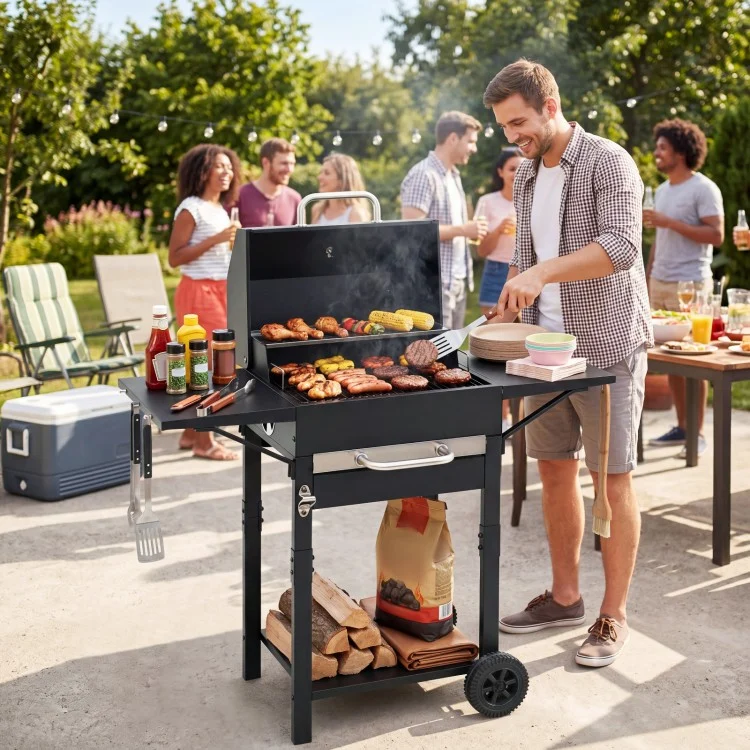
Buying Giant BBQs: Unless you host weekly parties for 20 people, a massive 6-burner grill wastes too much space. A compact 2-burner grill is more than enough for a family of four and leaves room for seating.
Conclusion
Even a tiny backyard can become one of the most enjoyable parts of your home. With thoughtful zoning, vertical planting, cozy seating, and a few budget-friendly upgrades, you can create an outdoor space that feels bigger, more comfortable, and easier to enjoy year-round. Start with one small improvement at a time, and your backyard can gradually turn into a relaxing outdoor retreat that perfectly fits your lifestyle.
FAQ
What is the easiest thing to start gardening with?
Low-maintenance herbs and leafy vegetables are the best choices for beginners. Plants like mint, basil, lettuce, and chives grow quickly, require little care, and work well in pots or raised planters, making them easy for first-time gardeners to manage.
Can I grow vegetables in a small backyard garden?
Yes, small backyards are perfect for growing vegetables when space-saving methods are used. Raised garden beds, container planting, and vertical gardening work especially well for compact vegetables like lettuce, spinach, cherry tomatoes, peppers, and herbs.
How can I grow vegetables if my small backyard doesn't get much sun?
Choose shade-tolerant vegetables such as spinach, kale, lettuce, celery, and chives. Using movable containers and vertical planters can also help maximize available sunlight throughout the day.
What is the most common mistake of first-time gardeners?
Overwatering and planting too much at once are the most common beginner mistakes. Start with a few low-maintenance plants, give them enough airflow and sunlight, and avoid watering too frequently to prevent root rot.