


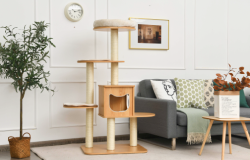


Rattan, cane, and wicker furniture are often grouped together in product listings, but they refer to different materials and construction methods. In Canadian homes, where furniture needs to handle both dry indoor heating and seasonal outdoor exposure, understanding these differences can help avoid choosing the wrong type for long-term use.
Key Takeaways
Rattan is a natural structural material, while cane is a thinner outer layer traditionally used for woven detailing.
Wicker refers to a weaving method, not a material itself, and can be made from either natural or synthetic fibers.
In Canada, synthetic wicker tends to perform better outdoors due to its resistance to moisture and temperature fluctuations.
Natural rattan is generally better suited for indoor or temperature-controlled environments.
A mixed setup—indoor rattan and outdoor synthetic wicker—is common in Canadian homes.
What Is Rattan, Cane, and Wicker Furniture?
Many people easily confuse rattan, cane, and wicker, but they are actually quite different.
Rattan: A solid, vine-like wood. Very durable but can split if it gets too dry.
Cane: The outer "skin" of the rattan stalk, usually woven into mesh (like chair seats). It needs tension to stay strong.
Wicker: Not a material, but a weaving technique. It can be made of natural materials (rattan, willow) or synthetic (resin wicker), which is common for Canadian patios.
Rattan vs Cane vs Wicker: Key Differences at a Glance
Understanding the distinctions between rattan, cane, and wicker is essential before investing in new sunroom or patio furniture. Here is a quick breakdown comparing their physical traits, durability, and best use cases to help you make an informed choice.
Can Rattan, Cane, and Wicker Withstand Canadian Weather?
Natural rattan is not ideal for long-term outdoor exposure in most Canadian climates, especially during wet summers and freezing winters. Repeated freezing, thawing, and moisture fluctuations can cause natural rattan fibers to become brittle, warp, or crack over time. In provinces with high summer humidity, such as Ontario and Quebec, these porous materials are also prone to mold and rot. Due to this characteristic of rattan, rattan furniture must be stored strictly indoors or placed in a dry, sheltered sunroom.
If you desire a classic woven look and wish to keep your furniture on a patio or balcony year-round, you must choose furniture woven from synthetic rattan (specifically high-density polyethylene, or HDPE) over a powder-coated aluminum frame. These frames are specially designed to withstand the elements—including extreme cold, UV rays, and heavy rain—without damage.
Rattan vs Cane vs Wicker: Which One Should You Choose?
Choosing the right material depends on where you place it and your daily lifestyle. Here is a quick guide:
Best for Indoor Furniture
Natural rattan and wicker furniture is perfect for living rooms, bedrooms, or heated sunrooms thanks to its light, airy feel, natural texture, and warm, soft visual appeal. It adds a natural, cozy atmosphere to any space and is especially popular among Canadian families who spend a lot of time indoors during the long winter months.
However, because indoor heating is used for long periods during the Canadian winter, the air is often quite dry. Natural rattan and wicker furniture should be kept as far as possible from baseboard heaters, fireplaces, or other heat sources to prevent the fibers from cracking, becoming brittle, or warping due to excessive dryness.
Best for Outdoor Use in Canada (Weather Considerations)
Synthetic rattan furniture, particularly products made from high-density polyethylene (HDPE) rattan, is better suited for Canada’s outdoor environment. Natural rattan is prone to moisture and mold in humid regions like Ontario, and in the cold climates of the Prairie provinces, it can become brittle and crack due to the cold.
HDPE wicker is designed to handle Canadian weather much better than natural rattan. It resists rain, strong summer sun, and sudden temperature swings, making it a reliable choice for patios and balconies. When paired with a powder-coated aluminum frame, it effectively minimizes rust and corrosion, making it suitable for British Columbia’s rainy climate and the humid, salty air of the Atlantic coast.
Best Based on Lifestyle (Family, Pets, Maintenance Level)
Households with Children or Pets: Natural rattan and wicker furniture is easily scratched by cats, and the woven structure may loosen or break due to children stepping on it or prolonged stress.More suitable for family use are structurally sturdy synthetic wicker pieces or styles featuring a robust rattan frame paired with thick cushions. This type of furniture is more durable, easier to clean, and better suited for frequent use.
People Seeking Low-Maintenance Options: With limited outdoor usage time in Canada, many families prefer furniture that is easy to maintain. Synthetic rattan furniture requires only a simple wipe-down daily and can be hosed down with a garden hose when the patio is brought back into use in the spring and summer. Natural rattan and natural wicker furniture are better suited for indoor use. They require regular vacuuming and proper care during the dry winter months to minimize fiber cracking and aging.
Where to Use Rattan, Cane, and Wicker Furniture
Knowing the strengths of each material helps you place them where they will perform best. Here is how to incorporate rattan, cane, and wicker into different areas of your home.
Living Room & Bedroom Ideas
Since indoor temperature and humidity remain relatively stable year-round, natural rattan furniture is best suited for indoor use. Its light texture and woven patterns add a soft, inviting atmosphere to any space, making this type of furniture particularly popular in Canadian homes during the long winter months.
In the living room, rattan lounge chairs or accent seating can make a reading nook feel warmer and more comfortable without making the space feel visually heavy. Rattan-backed dining chairs are also very common in apartments and small homes because they add texture and a sense of airiness while maintaining a light, modern style.
In heated sunrooms, natural rattan furniture creates a casual, rustic atmosphere—particularly well-suited for provinces where outdoor activities are limited for most of the year.
Tip: Indoor heating during the Canadian winter can dry out natural fibers, so keep rattan and wicker furniture as far away as possible from fireplaces, radiator vents, and baseboard heaters.
Patio, Balcony & Garden Applications
In Canada, outdoor living is seasonal—short summers mean your furniture needs to be both comfortable and practical. Choosing the right setup can make a big difference in how often and how well you use your space.
For Sunny Afternoons: Relaxed Lounging Setup
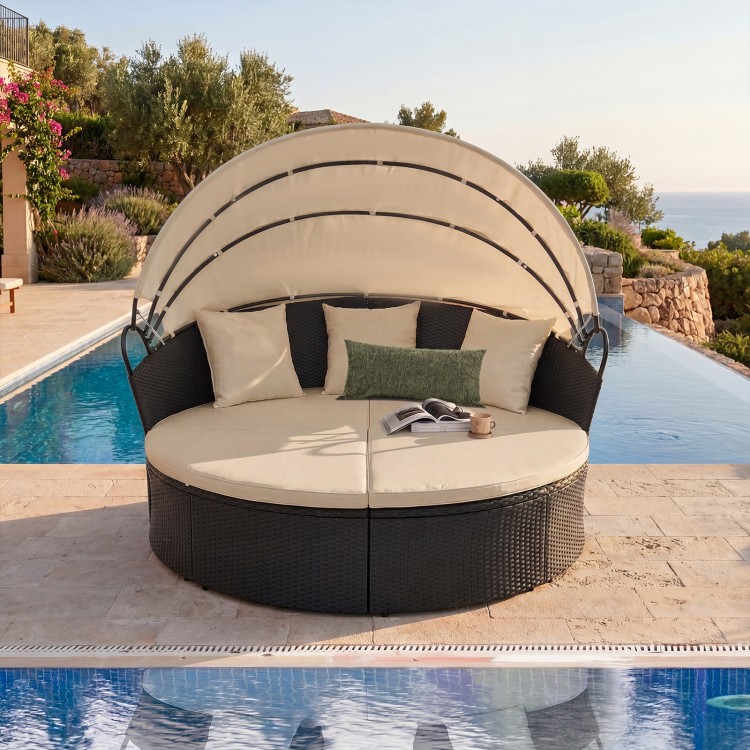
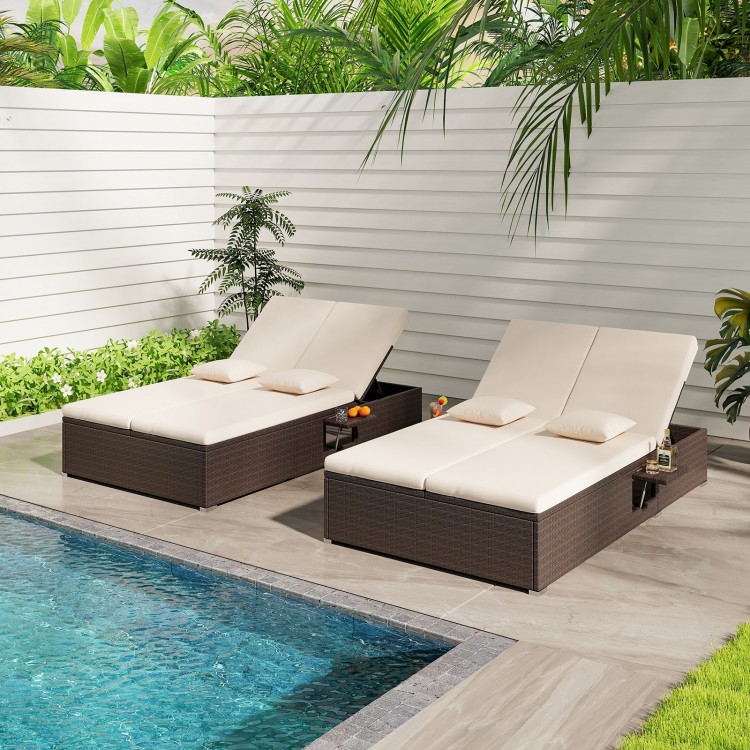
On sunny days, creating a relaxing outdoor retreat where you can truly unwind makes summer living even more comfortable and enjoyable. For families looking to enjoy their time outdoors with ease, a rattan-style double chaise lounge chair is perfect for the backyard patio, poolside, or garden area. Thick cushions make the lounger more comfortable for reading or sunbathing, while the side trays are useful for drinks, phones, or small outdoor items.
For Social Gatherings: Conversation-Friendly Seating
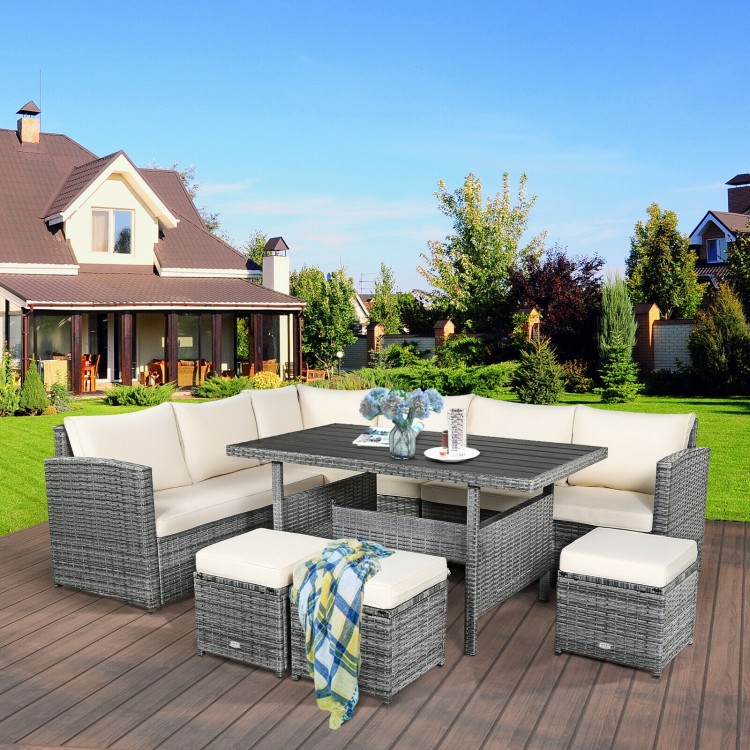
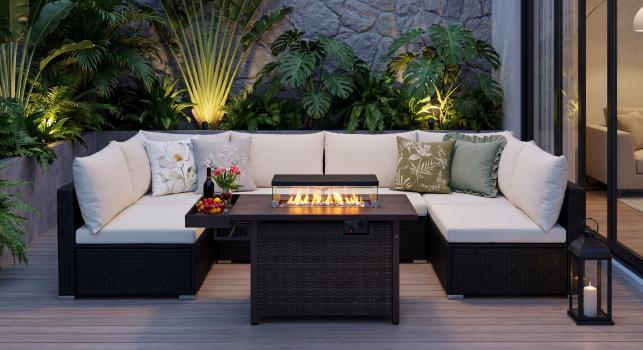
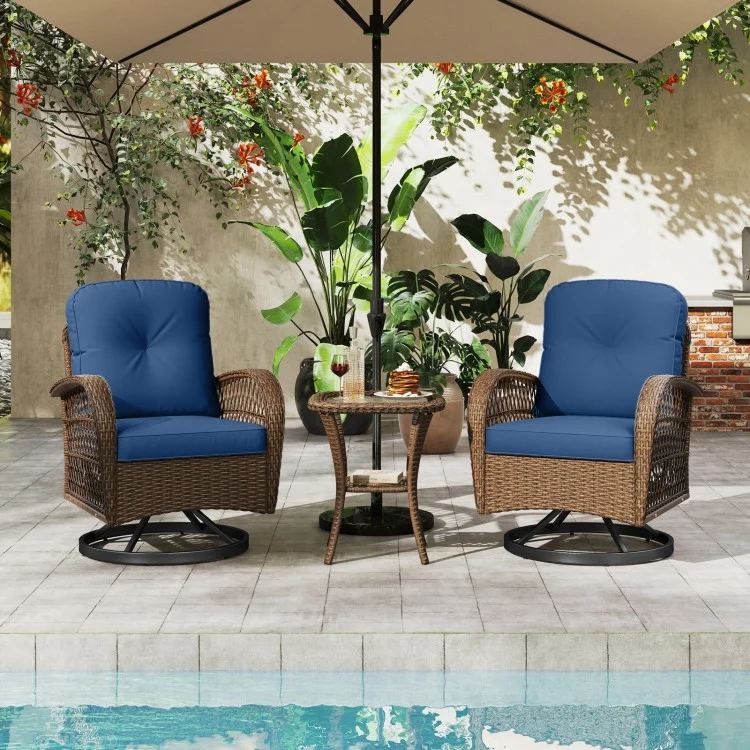
Outdoor spaces are frequently the heart of summer entertaining, making a comfortable and flexible seating arrangement essential for hosting friends and family. For those who love to gather and chat, a durable outdoor wicker swivel rocker set is the perfect addition to any patio or deck. The rocking design makes long conversations more comfortable, especially during extended outdoor gatherings, while the plush cushioned seats ensure comfort long into the evening. Complete with a functional center table for sharing snacks and drinks, this setup is designed specifically for creating an inviting space where conversation flows easily.
For Daily Dining: Practical Outdoor Chairs
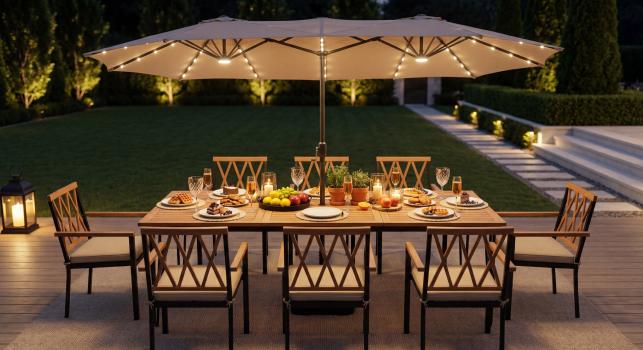
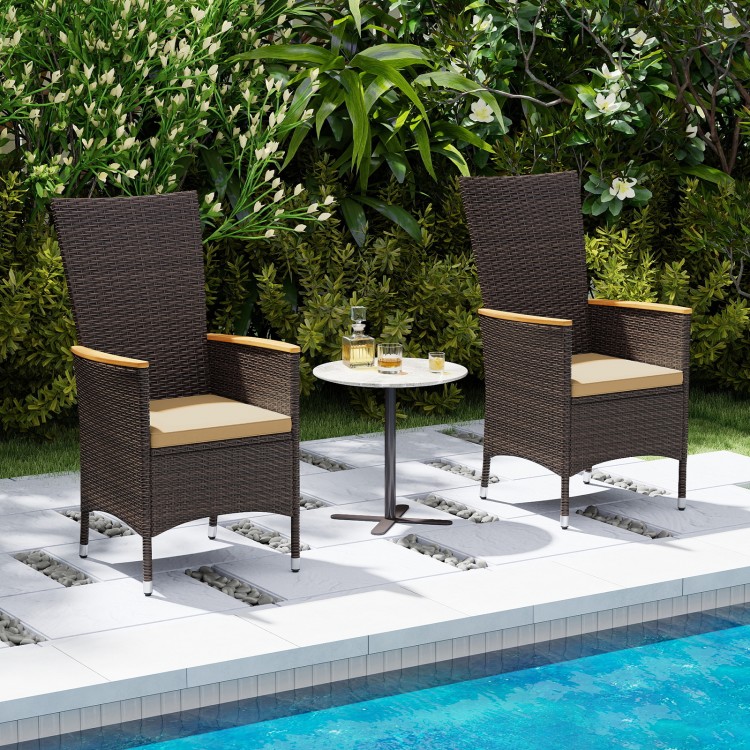
When it comes to enjoying meals on your balcony or patio, having functional and supportive furniture transforms an ordinary dinner into a great alfresco dining experience. For households that frequently eat outside, high-back wicker dining chairs offer the perfect blend of structural support and weather-resistant durability. Their lightweight design makes them incredibly easy to move and rearrange to accommodate different group sizes, whether in a sprawling backyard or a compact condo space. Offering reliable, low-maintenance seating, these chairs are the ideal choice for enjoying everyday outdoor meals throughout the patio season.
For Flexible Living: Indoor-Outdoor Accent Seating
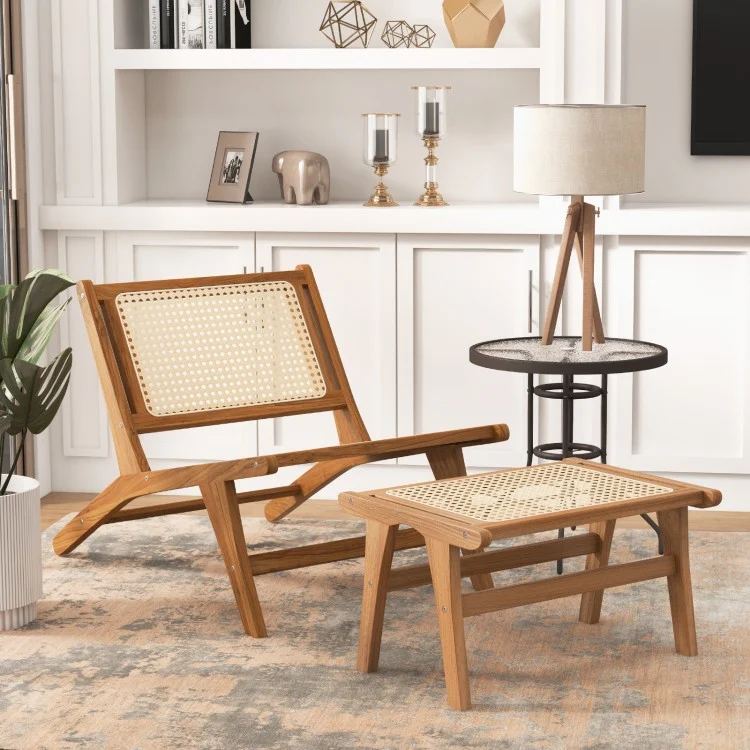
In Canada, the changing seasons mean that versatile furniture capable of transitioning from the patio to the living room is highly valued. For homeowners looking to maximize their space year-round, a rattan accent chair paired with an ottoman provides the ultimate flexible seating solution. This style fits easily into smaller Canadian living spaces without making the room feel crowded. The added footrest ensures cushion thickness, making this a highly practical choice if you prefer investing in fewer, high-quality pieces that work beautifully in any setting.
Why These Setups Work Well in Canada
Choosing furniture based on both material and location helps extend its lifespan and reduce maintenance over time.
A practical Canadian setup often includes:
Natural rattan or cane furniture indoors
Synthetic wicker furniture outdoors
Aluminum frames for better weather resistance
Removable cushions for easier seasonal storage
This combination balances comfort, durability, and adaptability while fitting the realities of Canadian weather and seasonal outdoor living.
How to Care for Rattan, Cane, and Wicker Furniture
In Canada’s dry climate with significant temperature fluctuations, you can use a humidifier or lightly mist the surface with water to help natural fibers retain moisture and reduce cracking. You can also periodically apply lemon oil or furniture wax to lock in moisture and extend the life of your furniture.
Conclusion
Rattan, cane, and wicker each serve different purposes in furniture design. Rattan provides structure, cane adds decorative detail, and wicker defines how furniture is woven.
For Canadian homes, the best choice depends on usage. Indoor spaces benefit from natural materials, while outdoor areas require durable wicker options. Understanding these differences helps you make a more practical and long-lasting decision.
FAQ
Is Wicker a Material or a Technique?
Wicker is a weaving technique, not an actual raw material. It refers to the traditional method of weaving pliable fibers into furniture or baskets. While historically done with natural plants like rattan or willow, modern outdoor wicker relies heavily on synthetic resins like HDPE to survive harsh Canadian weather.
Is Cane Stronger Than Rattan?
No, rattan is significantly stronger than cane. Because rattan is a strong natural vine-like palm material, the thick core of a climbing palm, it provides heavy-duty structural support for furniture frames. Cane is merely the peeled, flexible outer bark of that same plant, making it lightweight and suitable only for breathable webbing, not weight-bearing structures.
Can You Use Rattan Furniture Outdoors?
No, you should not use natural rattan furniture outdoors in Canada. It lacks the natural weather resistance needed to survive humid summers or freezing winters. Rain will cause the porous fibers to mold and rot, while extreme cold will make the material brittle, causing the frames to crack and snap.
What Is the Best Option for Long-Term Use?
For long-term outdoor use in Canada, synthetic HDPE wicker on an aluminum frame is generally considered the most practical option due to its durability and resistance to weather conditions. It is specifically engineered to resist UV fading, moisture rot, and winter cracking. For long-lasting indoor furniture, solid natural rattan frames are incredibly durable, provided they are kept away from dry heating vents.