












Victoria Day weekend marks the start of Canada's camping season, and campgrounds fill up quickly. Proper Victoria Day camping prep helps you avoid booking headaches, forgotten gear, and unpredictable spring weather. Whether you're planning a tent getaway or an RV trip with family, getting ready early is key. That way, you'll enjoy a safer, cozier, and more relaxing long weekend.
How to Plan Your Victoria Day Camping Trip
A smooth camping experience often starts long before you arrive at the campsite. Since Victoria Day weekend is one of the busiest outdoor travel periods in Canada, early Victoria Day camping prep helps reduce stress and avoid common last-minute problems.
Book Campgrounds Early
Victoria Day weekend is one of the busiest camping periods in Canada, especially in provinces like Ontario, British Columbia, and Alberta, where provincial parks become highly competitive. Popular destinations near lakes, hiking trails, and national parks may be fully reserved weeks or even months in advance. When choosing a campground, think beyond location alone. Families with children may prefer sites close to washrooms and playgrounds, while experienced campers may prioritize privacy and access to hiking trails. If you are bringing a trailer or RV, verify site dimensions, electrical hookups, and road accessibility before booking.
It is also helpful to build flexibility into your schedule. Weather conditions during late May are unpredictable, so choosing campgrounds with nearby shelters, visitor centers, or indoor facilities can make the trip more comfortable if rain arrives unexpectedly.
Check Real-Time Weather Conditions
One of the biggest mistakes campers make during Victoria Day weekend is assuming that spring weather will already feel like summer. In many parts of Canada, in places like Algonquin Park or Banff, overnight temperatures during Victoria Day weekend can still fall close to 0°C, even after warm daytime sunshine. g, especially in northern regions or near lakes.
Checking forecasts several days before departure allows you to adjust clothing, sleeping gear, and food preparation plans accordingly. Wind conditions are equally important because strong gusts can affect tent stability, campfire safety, and overall comfort.
Layered clothing works best for Canadian spring camping because temperatures often fluctuate dramatically between morning and evening. Waterproof outerwear is especially important since rain showers are common during May long weekends.
Review Campground Rules and Restrictions
Every campground operates differently, and understanding the rules ahead of time helps prevent unnecessary problems after arrival:
What to Check Before Your Trip | |
Firewood Restrictions | Confirm whether outside firewood is prohibited to prevent invasive pests. |
Campfire Rules & Fire Bans | Check if campfires are currently allowed and whether temporary fire bans are in effect. |
Propane Fire Pit Policies | Verify whether propane fire pits are permitted as an alternative to wood fires. |
Quiet Hours | Review campground quiet hour schedules and noise regulations. |
Generator Restrictions | Check permitted generator usage times or generator-free areas. |
Pet Regulations | Confirm leash requirements, pet-friendly areas, and any breed restrictions. |
Outdoor Cooking Rules | Verify whether charcoal grills are allowed or if propane-only cooking systems are required. |
Wildlife & Food Storage Requirements | Check for bear-safe food storage rules or wildlife precautions. |
Inspect Your Vehicle or Trailer
A camping trip becomes far more stressful when vehicle problems appear halfway through the journey. Before departure, inspect tire pressure, battery condition, fluid levels, and trailer connections carefully. For trailer campers, brake lights, hitch locks, and towing chains should all be checked in advance. Spring road conditions in Canada can still include potholes, muddy shoulders, or leftover winter debris, making proper vehicle preparation especially important. It is also wise to keep emergency supplies inside the vehicle, including jumper cables, flashlights, extra blankets, and phone charging equipment. Even short camping trips may involve remote areas with limited roadside services.
What Essential Equipment Do You Need for Camping?
Once your route, campground, and travel schedule are confirmed, the next step in Victoria Day camping prep is making sure you bring equipment that can handle unpredictable spring conditions. The right camping gear not only improves comfort but also helps your trip stay safe and organized throughout the long weekend. If you are building a complete family camping checklist for this season, you can also explore our guide: “2026 Canada Camping Essentials: Must-Have Gear for Family Camp” for more practical gear recommendations and outdoor setup ideas.
Shelter and Sleeping Essentials
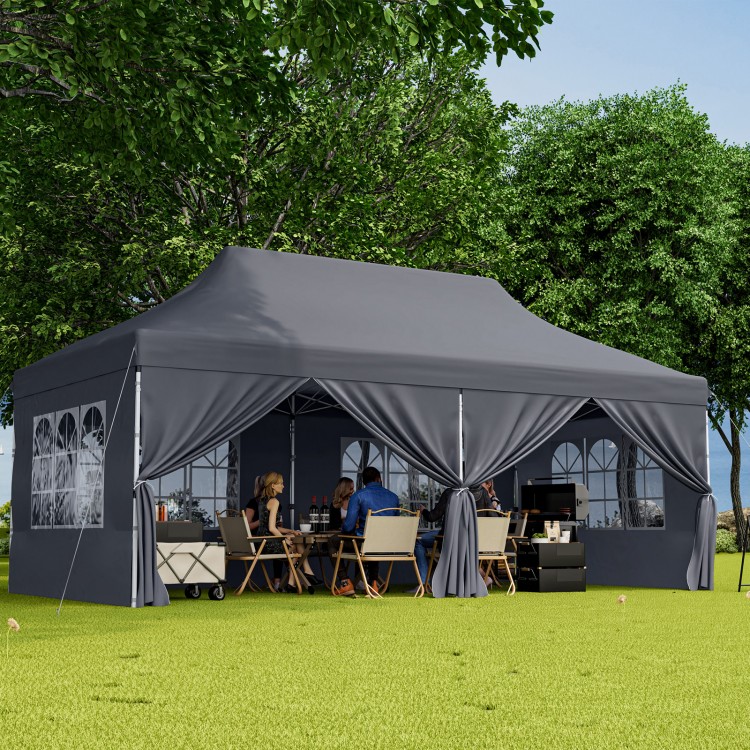
Reliable shelter is the foundation of a comfortable camping trip. Since Victoria Day weekend weather can shift quickly, tents with strong waterproof materials and durable frames are especially valuable in Canadian conditions. A quality rainfly and properly secured ground tarp help prevent moisture from entering the tent during overnight rainstorms. Campers should also inspect tent poles, zippers, and stakes before departure rather than discovering problems after arriving at the campsite.
Sleeping comfort matters just as much as shelter. Many first-time campers underestimate how cold the ground can feel during spring nights. Insulated sleeping pads, warm sleeping bags, and extra blankets make a significant difference in overall rest quality. Families often benefit from larger cabin-style tents because additional interior space helps manage wet clothing, shoes, and gear during rainy weather.
Cooking and Food Supplies
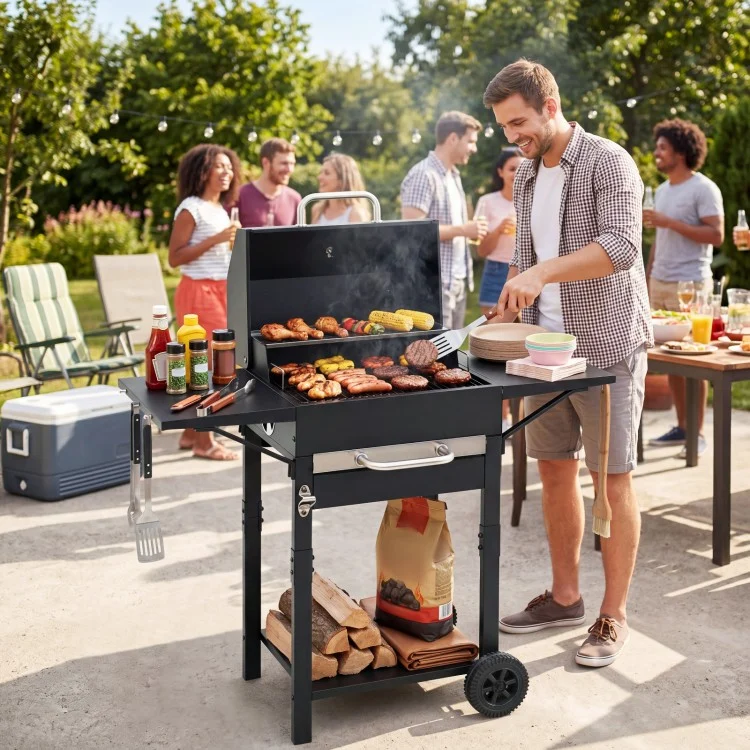
Meal preparation becomes much easier when both your cooking equipment and food organization are planned ahead of time. A reliable outdoor cooking setup not only improves efficiency at the campsite but also helps families handle changing weather and limited prep space more comfortably.
Portable propane stoves are among the most practical cooking options for Victoria Day camping because they remain reliable even during windy or damp conditions.Coolers with sufficient ice retention are equally important since daytime temperatures may rise considerably during sunny afternoons. Reusable containers help reduce clutter while protecting food from moisture and wildlife.
In addition to bringing the right equipment, preparing ingredients before departure can save significant time during the trip. Many experienced campers cut vegetables, marinate meats, or organize breakfast supplies at home in advance. It is also smart to pack backup snacks that require no cooking in case rain disrupts outdoor meal preparation plans.
Clothing for Changing Weather
Packing for Canadian spring camping requires flexibility rather than simply choosing warm-weather clothing. Conditions may include sunshine, cold mornings, sudden rain, or even light frost, depending on the region. Layering remains the most effective strategy. Moisture-wicking base layers help regulate body temperature, while fleece or insulated mid-layers provide warmth during cooler evenings. Waterproof jackets and pants protect against wind and rain without adding excessive bulk.
Extra socks are often overlooked, but extremely important. Wet feet can quickly ruin a camping trip, especially when temperatures drop overnight. Waterproof footwear or hiking boots are highly recommended for muddy trails and damp campsites. Even during mild daytime weather, hats and gloves are worth packing because evenings near lakes or forests can become surprisingly cold.
Safety and First Aid Kit
A well-prepared first aid kit should always be part of your Victoria Day camping prep. Minor injuries are common during outdoor trips. Use this checklist to pack everything you'll need:
Injury or Safety Situation | Essential Items | Recommended Quantity | Notes | Storage Container |
Cuts & Scrapes | Adhesive bandages, antiseptic wipes, gauze pads | 10–20 bandages, 1 pack wipes, 5 gauze pads | Useful for minor hiking or campsite injuries | Waterproof first aid pouch |
Burns | Burn cream or burn gel packets | 1–2 tubes or several packets | Helpful for cooking or campfire accidents | Heat-resistant zip pouch |
Blisters | Blister pads or moleskin | 4–6 pieces | Important for long walks and hiking trails | Small sealed bag |
Insect Bites & Tick Protection | Insect repellent, tick remover tool, anti-itch cream | 1 spray, 1 tool, 1 cream | Spring camping often brings mosquitoes and ticks | Resealable plastic container |
Allergies | Antihistamines or allergy medication | 1 small bottle or blister pack | Useful for pollen, food, or insect-related allergies | Medication organizer |
Headaches & Pain Relief | Pain relievers such as ibuprofen or acetaminophen | 1 travel-size bottle | Helps with headaches, muscle soreness, or minor pain | Pill container |
Stomach Discomfort | Antacids or stomach relief tablets | 1 small pack | Helpful for digestive issues during camping trips | Waterproof medication case |
Nighttime Safety | Flashlights, lanterns, backup batteries | 1–2 lights plus extra batteries | Improves campsite visibility after dark | Protective gear bin |
Emergency Signaling | Emergency whistle | 1 per camper | Useful in remote or wooded areas | Attached to backpack or lanyard |
Power Backup | Portable power bank and charging cables | 1–2 power banks | Important for phones, GPS devices, and emergency charging | Electronics organizer pouch |
Navigation Backup | Paper maps and GPS device | 1 map per area visited | Cellular service may be unreliable in provincial parks | Waterproof document sleeve |
Outdoor Entertainment and Comfort Items
Camping is not only about survival and logistics. Comfort and entertainment help create memorable experiences, especially for families with children. Portable chairs, picnic blankets,hammocks, and string lights can make campsites feel far more relaxing after a full day outdoors. Card games, fishing equipment, bicycles, or hiking gear also help keep everyone engaged throughout the weekend. For children, simple outdoor activities often work best. Nature scavenger hunts, marshmallow roasting, and lakeside exploration provide entertainment without relying heavily on electronics.
How to Improve Comfort for Family Camping Trips
Basic camping equipment covers survival and safety needs, but comfort becomes especially important when traveling with family members or young children. Small adjustments in sleeping setup, meal preparation, and weather management can make the entire trip feel far more enjoyable.
Sleeping Comfort for Kids and Adults
Families often discover that sleep quality determines whether a camping trip feels enjoyable or exhausting. Children may struggle with unfamiliar temperatures or sounds during the night, so creating a comfortable sleeping environment is essential. Bringing familiar pillows, favorite blankets, or small stuffed toys can help younger children adjust more easily to sleeping outdoors. Adults also benefit from thickersleeping pads or camping cots that reduce pressure from uneven ground.
Keeping sleeping clothes separate from daytime clothing helps maintain warmth and dryness overnight. Even small improvements in sleeping comfort can dramatically improve overall family morale during multi-day trips.
Food Preparation for Families
Preparing meals for large groups outdoors can become overwhelming without organization. Families typically benefit from assigning responsibilities ahead of time, such as cooking, dishwashing, or cooler management. Simple breakfasts like oatmeal, pancakes, or breakfast sandwiches reduce morning stress. For dinners, one-pot meals and foil packet recipes are practical because they minimize cleanup while feeding multiple people efficiently.
Children also tend to enjoy camping more when snacks are easily accessible throughout the day. Pre-portioned snacks help reduce mess while keeping energy levels stable during hiking or outdoor activities.
Managing Weather Changes Outdoors
Canadian spring weather can shift rapidly. Instead of reacting after problems appear, prepare for these common scenarios in advance. If you encounter any of these situations during your trip, use this quick reference guide:
Scenario | Warning Signs | Immediate Actions (0–5 Minutes) | Recommended Gear | Backup Plan | When to Seek Help |
Sudden Rainstorm | Dark clouds, strong wind, temperature drop | Move gear under shelter and secure loose items immediately | Canopy, rain tarp, waterproof storage bins | Stay inside vehicle or enclosed shelter | Seek park staff assistance during severe storms or flooding |
Overnight Cold Snap | Rapid evening temperature drop, strong wind, campers feeling cold | Add extra clothing layers and prepare warm drinks | Thermal blankets, insulated sleeping bags, portable stove | Sleep inside vehicle if tents become too cold | Seek help if anyone shows signs of hypothermia |
Extreme Afternoon Heat | Excessive sweating, fatigue, dizziness | Move to shaded areas and drink water immediately | Shade canopy, water jugs, electrolyte packets | Reduce physical activities until temperatures cool | Seek medical help for heat exhaustion symptoms |
Strong Winds | Flapping tents, unstable canopy, falling branches | Reinforce tent stakes and lower canopy height | Extra stakes, guy lines, mallet | Relocate to protected campsite area | Seek help if trees or large branches become hazardous |
Wet or Damp Bedding | Condensation, water leaks, damp sleeping bags | Remove wet items and dry them as quickly as possible | Dry bags, waterproof containers, extra blankets | Use spare bedding or sleep in vehicle | Seek help if exposure leads to prolonged cold symptoms |
Thunderstorm & Lightning | Thunder sounds, visible lightning, dark skies | Leave open areas and avoid tall trees or metal objects | Weather radio, flashlight, emergency shelter | Wait inside vehicle until storm passes | Call emergency services during dangerous lightning situations |
Poor Visibility or Fog | Dense fog, limited trail visibility | Stop hiking and stay together as a group | Flashlights, GPS device, paper map | Return to campsite or marked trail area | Seek ranger assistance if lost or disoriented |
Sudden Weather Changes | Fast-changing temperature, unexpected wind or rain | Adjust clothing layers and secure campsite quickly | Layered clothing, waterproof jackets, backup supplies | Delay activities until weather stabilizes | Seek help if conditions become unsafe for camping |
Best Camping Gear for Canadian Conditions
Family-friendly planning is helpful, but Canadian spring weather still creates challenges that require dependable outdoor equipment. A well-rounded Victoria Day camping prep includes choosing gear built for cold, damp, and windy conditions.
Waterproof Shelter and Rain Protection Gear
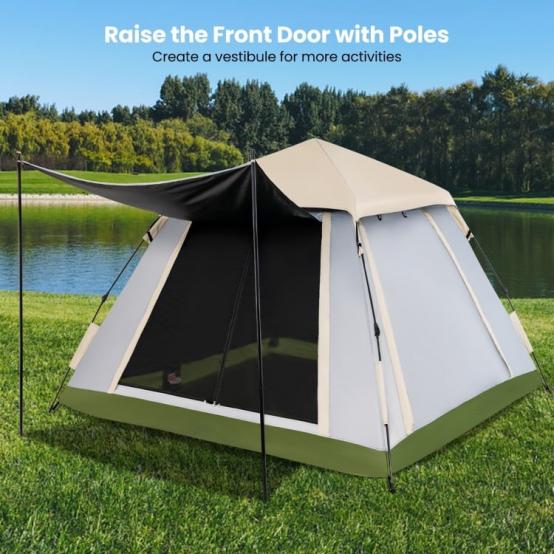
For many campers in Canada, changing weather can quickly turn a comfortable trip into a frustrating experience, especially when rain or damp ground becomes an issue overnight. If you're camping with kids during May Long, quick-setup tents can save a lot of frustration when rain starts unexpectedly. A practical option like the2-4 Person Instant Pop-up Camping Tent works well for weekend camping thanks to its waterproof fabric, detachable rainfly, and quick pop-up setup that reduces the hassle of pitching a tent in bad weather. With a compact footprint and stable structure, it fits especially well for family camping, lakeside campsites, or short outdoor trips where reliable shelter and easy setup matter most.
Portable Cooking and Outdoor Dining Equipment
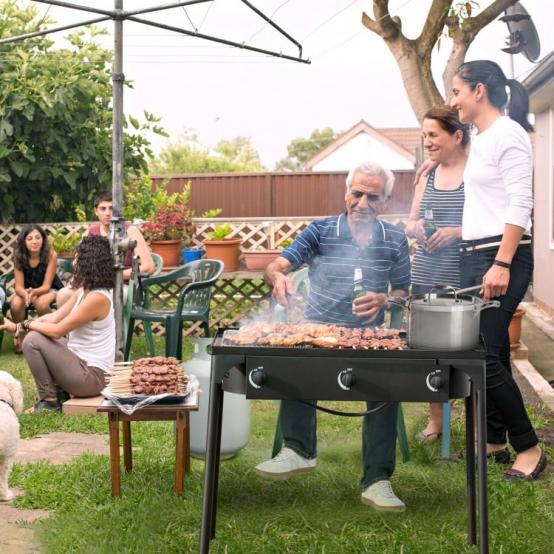
Cooking outdoors during Canadian camping trips often becomes more difficult when preparing meals for larger groups or dealing with limited campsite cooking space. For campers who want a more reliable and efficient cooking setup, the225000 BTU Portable Propane 3 Burner Gas Cooker offers enough power to handle everything from boiling water to preparing full campsite meals at the same time. The triple-burner design helps reduce waiting time during busy mealtimes, while the detachable legs make transportation and storage more manageable for weekend trips or family camping. With its sturdy cast-iron construction and stable setup, it fits especially well for campsites where convenient outdoor cooking equipment can make the overall camping experience far more comfortable.
Sleeping and Comfort Essentials for Cold Spring Nights
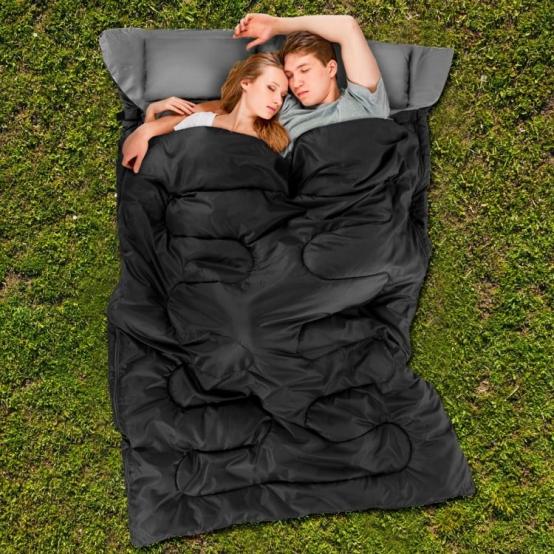
Cold spring nights are common during Canadian camping trips, and staying warm overnight often becomes one of the biggest factors affecting overall comfort. For couples or family campers, the2 Person Waterproof Sleeping Bag provides a more comfortable sleeping setup while helping retain warmth during chilly evenings. The soft, insulated filling and weather-resistant design help reduce discomfort from cold air and damp conditions, while the double sleeping bag structure creates a cozier sleeping environment compared to using separate bags. Its ability to split into two individual sleeping bags also adds flexibility for different camping situations, making it especially practical for road trips, weekend camping, or early-season outdoor adventures.
Finally
With proper Victoria Day camping prep, Victoria Day camping can be far more comfortable and enjoyable despite unpredictable spring weather. Whether you are preparing for a family getaway or a weekend outdoor trip, quality camping essentials fromCostway can help make your adventure easier, warmer, and more relaxing.
FAQs
Is Victoria Day too cold for camping in Canada?
No, Victoria Day camping is usually manageable with proper preparation. While daytime temperatures can feel mild, nights may still become quite cold in many parts of Canada, especially near lakes or northern regions, so warm sleeping gear and layered clothing are important.
Can beginners go camping on Victoria Day weekend?
Yes, Victoria Day weekend is suitable for beginner campers. Choosing a well-equipped campground, preparing a simple camping checklist, and checking weather conditions ahead of time can help first-time campers enjoy a safer and more comfortable outdoor experience.
Are bugs a problem during Victoria Day camping?
Yes, mosquitoes and other insects can already become active during Victoria Day weekend. Campers should bring insect repellent, wear long sleeves during evenings, and keep tents properly closed, especially when camping near forests, lakes, or wet areas.
Can I bring pets camping during Victoria Day weekend?
Yes, many Canadian campgrounds allow pets during Victoria Day camping trips. However, campers should always check campground pet policies in advance and bring essentials like leashes, waste bags, food, and bedding to keep pets comfortable outdoors.