


Family camping in Canada is one of the best ways to reconnect with nature, unplug from daily routines, and create lasting memories. From the forests of British Columbia to the lakes of Ontario, the country offers endless opportunities for outdoor adventures. But for a stress-free, fun-filled trip (especially with kids!), the right gear and planning make all the difference. Whether you’re a first-time family camper or a seasoned pro looking to refresh your kit, this guide breaks down everything you need for 2026, including expert product picks that’ll elevate your adventure.
Key Takeaways
Family camping in Canada is most successful when focusing on multi-functional gear such as foldable wagons and portable tables to simplify setup and transport.
A 4–6 person tent combined with appropriate sleeping bags and insulation provides the most practical sleeping setup for changing Canadian weather conditions.
Simple, familiar, and low-preparation meals are the most effective option for reducing cooking stress and improving food experience during family camping trips.
Campsite selection is most effective when based on location, available amenities, and usable space rather than popularity alone.
Mid-range camping gear generally provides the most balanced option for families in terms of durability, comfort, and overall value.
Family Camping Checklist: What to Pack for a Stress-Free Trip
The secret to a smooth family camping trip isn’t just what you bring—it’s how well you plan ahead. Instead of overpacking or forgetting essentials, it helps to think in categories and focus on items that improve comfort, flexibility, and ease of use—especially when camping with kids.
Tent
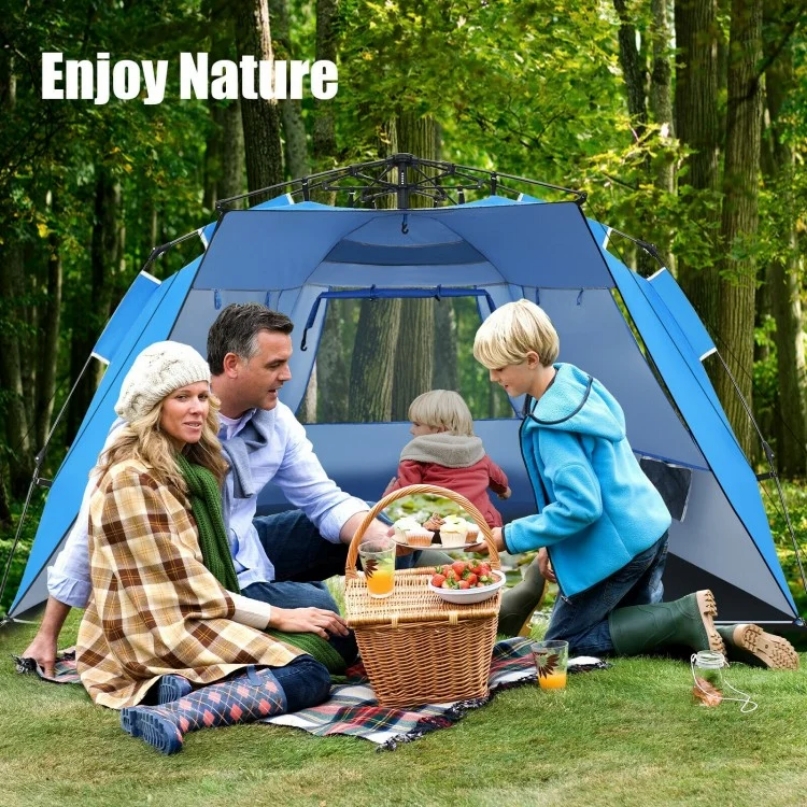
Your tent is the center of your campsite, so choosing one that is spacious, weather-resistant, and easy to set up makes family camping far less stressful. A practical option like the 3-4 Person Easy Pop-Up Beach Tent UPF 50+ Portable Sun Shelter works well for weekend camping, lakeside trips, or park outings.
Its instant pop-up design allows quick setup after a long drive, while the roomy interior comfortably fits two adults and two children. The extended front porch adds extra storage or play space, helping keep the sleeping area organized. UPF 50+ protection, mesh ventilation windows, and light rain resistance also make it comfortable for changing outdoor conditions.
Foldable Wagon
A foldable wagon stroller can make family camping much easier by helping transport both kids and gear in fewer trips. The Foldable Wagon Stroller for 2 Kids Double Seater Toddler Stroller with Removable Canopy is especially useful for larger parks, campgrounds, and lakeside paths. Its push-or-pull design and shock-absorbing wheels move smoothly across grass, gravel, and pavement, while the removable canopy provides shade during warmer afternoons. Storage pockets and cup holders keep essentials accessible, and the quick-fold design makes packing up simpler at the end of the day.
Folding Chair
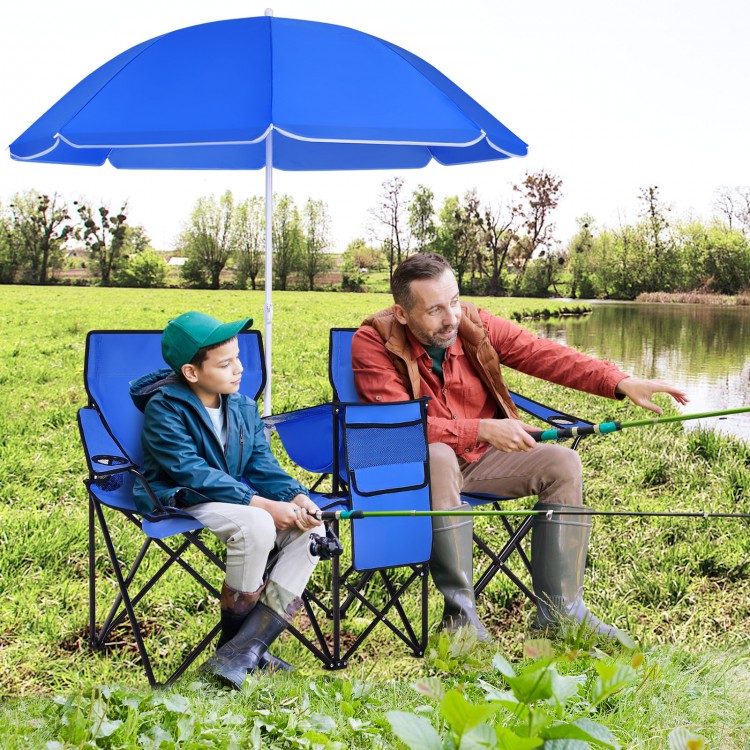
Comfort at the campsite often comes down to having a reliable place to sit, relax, and enjoy meals together after a long day outdoors. This becomes even more important for families spending full afternoons at the campsite, beach, or lakeside. A practical setup like the Portable Folding Picnic Double Chair With Removable Umbrella gives two people a comfortable shared seating area without taking up too much space in the car. Each chair hold up to 270 lbs for strong loading capacity. The adjustable umbrella helps provide shade during hot summer afternoons and can also be removed on cooler or cloudy days for a more open setup. For family trips where gear already adds up quickly, portability matters just as much as comfort.
Portable Power Station
A portable power station adds convenience and peace of mind during family camping trips, especially when camping with kids or staying at sites without reliable electricity. It can keep phones, lanterns, portable fans, cameras, and small cooking devices powered throughout the trip. Compared with noisy gas generators, portable power stations are quieter, cleaner, and easier to transport. Models with multiple charging ports and solar charging compatibility are especially useful for longer outdoor stays. Keeping devices charged also helps with navigation, emergency communication, and nighttime lighting when camping in remote areas.
Hygiene & First Aid Kit
A simple hygiene and first aid setup helps families stay comfortable and prepared outdoors. Travel-sized toiletries, hand sanitizer, and biodegradable products are especially useful at campsites with limited facilities. Your first aid kit should include basic supplies along with family-specific items like kid-friendly bandages, insect bite relief, and personal medications. Sunscreen and bug spray are also essential, especially during Canadian summers when mosquitoes and blackflies are common.
Personal Items & Entertainment for Kids
Keeping kids comfortable and entertained makes camping more enjoyable for the whole family. A few familiar items—like a favorite toy, bedtime book, or comfort item from home—can help children settle in more easily at night. For daytime activities, simple outdoor-friendly items like a ball, frisbee, or magnifying glass encourage exploration and active play without relying on screens. At the same time, bringing a phone and portable charger is still important for navigation, photos, and emergencies during outdoor trips.
Dressing for Canada’s Summer Camping Weather
Camping in Canada in June and July brings warm afternoons, cool evenings, and sudden rain all in one day. Skip bulky clothes and opt for lightweight, easy-layered outfits to adapt to shifting temperatures. Wear breathable base layers for hiking and outdoor activities, throw on fleece jackets or hoodies for chilly nights, and keep a waterproof outer layer handy for unexpected wind and rain. Choose practical, comfy footwear: waterproof hiking shoes suit trails and damp ground, while sandals work perfectly for relaxing around camp. For families with kids, pack extra socks and a spare change of clothes for mud, spills and rainy days.
How Much Does Camping Gear Cost for Families?
Camping gear costs vary widely depending on your budget, but you don’t need to spend a fortune to have a great trip. Below is a breakdown of typical costs for family camping gear in 2026, plus our top picks for each budget range (including the foldable gear we love!).
Why Mid-Range Gear Is the Sweet Spot
For most families, the mid-range category offers the best balance between affordability and comfort. Instead of buying the cheapest gear and replacing it quickly, investing in a few high-impact items can dramatically improve your camping experience.
These upgrades don’t just add comfort—they make camping with kids significantly easier.
Money-Saving Tips for Camping Gear
Buy off-season (fall and winter often have the best discounts)
Look for bundle deals or family kits
Rent gear before committing to expensive items
Prioritize multi-functional products to maximize value
Smart tip: Choosing gear that serves multiple purposes—like a wagon that works for both transport and storage—can help you save money in the long run.
How to Choose the Best Campsite for Your Family
The right campsite can make or break your family camping experience. With so many options across Canada—from remote provincial parks to fully serviced campgrounds—the key isn’t finding the “best” site, but the one that fits your family’s needs.
What Really Matters When Choosing a Campsite
Instead of trying to check every box, focus on a few factors that will have the biggest impact on your trip.
1. Location: Location is usually the first decision. Some families prefer lakeside sites for swimming and relaxing, while others prioritize access to hiking trails or proximity to nearby towns for convenience. If you’re camping with young kids, it’s also worth considering how long you’re willing to drive—what looks close on a map can feel very different in reality.
2. Campsite: A good family site should be spacious, flat, and somewhat sheltered. Trees offer shade and wind protection, while open space leaves room for your tent, table, and a safe play area for children.
3. Amenities: While some prefer a rustic experience, most families value clean restrooms, drinking water, and showers, especially on longer trips. If you have lots of gear or a wagon, pick a site close to parking to make setup easier.
Campsite Types: Tent Only, RV, Cabin & Glamping
Not all camping experiences are the same, and choosing the right type can set the tone for your entire trip.
Tent sites are the most traditional and widely available across Canada. They offer the closest connection to nature, but usually come with simpler facilities—best for families comfortable with a more hands-on experience.
RV sites provide more convenience, often including electricity and water hookups. Even without an RV, some families choose them for the added space and accessibility.
Cabins and hybrid options like “Otentik” are a great middle ground. With real beds and solid structures, they remove much of the setup stress while still keeping you close to the outdoors—ideal for beginners or changing weather conditions.
Glamping offers the highest level of comfort, blending outdoor scenery with hotel-like amenities. While it’s not necessary for most trips, it can be a fun and low-stress way to introduce kids to camping.
Family-Friendly Campsite Features
Beyond the basics, a few well-chosen features can make a big difference in how enjoyable your trip feels. Campsites with nearby open space—whether it’s a playground, a beach, or a simple field—give kids a place to stay active and entertained. Easy, well-marked trails are another bonus, especially for short family hikes. At the campsite itself, practical details matter just as much. Having a designated fire pit adds structure to your evenings, while clean and well-maintained washrooms can quickly become a top priority for families.
How to Book a Campsite Without the Stress
Booking popular Canadian campsites during summer can be competitive, especially around weekends and holidays. Planning ahead helps, but flexibility is equally valuable. Most provincial park systems open reservations several months in advance, and well-known parks can book out quickly.
Platforms like Parks Canada Reservations, Ontario Parks, SEPAQ Québec Reservations, and Discover Camping British Columbia allow families to filter campsites by amenities, site type, and location. If your preferred site is unavailable, checking back regularly can help, since cancellations and last-minute openings are common during the camping season.
Food & Cooking for Family Camping
Cooking while camping doesn’t need to be complicated. In fact, the best family camping meals are usually the simplest—easy to prepare, easy to clean up, and familiar enough that kids will actually enjoy them. Instead of trying to recreate full home-cooked meals, think in terms of quick prep, minimal cleanup, and flexible options.
Easy Camping Meals That Actually Work for Kids
When planning meals, it helps to stick with foods your kids already love and keep preparation as simple as possible.
● Breakfast is usually the easiest place to start. Warm, filling options like oatmeal or scrambled eggs work well, especially on cooler Canadian mornings. If you want to save time, prepping items like breakfast burritos at home and reheating them at camp can make mornings much smoother.
● Lunch tends to be more relaxed, often built around quick and portable options like sandwiches, wraps, or pasta salad. These are easy to assemble and don’t require much cooking—perfect for busy days outdoors.
● Dinner is where camping really shines. Simple classics like hot dogs or burgers are always a hit, but foil packet meals are especially practical for families. You can prepare them ahead of time, cook them over the fire, and avoid a pile of dishes afterward.
● Snacks, of course, are essential—both for energy and for keeping kids happy between activities. Think easy, grab-and-go options that don’t require prep.
A small setup tip that makes a big difference: using a folding camping table as your prep station keeps everything organized, clean, and off the ground—something you’ll appreciate very quickly once you start cooking outdoors.
What Food to Bring (Without Overpacking)
Instead of packing everything, focus on versatile, long-lasting foods that can be used across multiple meals.
A good approach is to build around a few core categories:
Staples like oats, rice, pasta, or tortillas
Protein options such as canned goods, peanut butter, or ready-to-cook meat
Long-lasting fruits and snacks that don’t spoil easily
Simple drinks like water, coffee, or hot chocolate
The goal isn’t variety—it’s flexibility. When ingredients can be reused across meals, you save space and reduce waste.
Simple Cooking Setup for Family Camping
You don’t need a full outdoor kitchen to cook well at camp. A basic setup is more than enough—as long as it’s organized. Most families rely on a portable stove for convenience, especially for breakfast or quick meals. Pair that with a small set of cookware and a cooler for perishables, and you’re already covered for most situations. What often makes the biggest difference isn’t the gear itself, but how you use it. Setting up a small “kitchen area”—ideally with a folding table—creates a dedicated space for cooking, prepping, and storing food, which keeps your campsite cleaner and more efficient.
Food Storage & Safety (Especially Important in Canada)
Food safety is something you don’t want to overlook—especially when camping in areas where wildlife is active. The key is to manage both freshness and scent. Keeping food properly sealed and stored not only prevents spoilage, but also helps avoid attracting animals like raccoons or even bears in certain regions.
To keep things simple, focus on a few essentials:
Store food in sealed containers and keep it secured at night
Keep coolers in the shade and maintain cold temperatures
Clean hands and surfaces before handling food
Dispose of waste properly—never leave food behind
Following these basics will help keep your family safe while also protecting the environment around you.
Conclusion
Family camping in Canada is an unforgettable experience—filled with fresh air, quality time, and memories that will last a lifetime. With the right gear (especially foldable items like a foldable wagon, folding tent, and portable table), careful planning, and a focus on comfort, you can create a stress-free trip that the whole family will love. Remember to pack for all weather, choose a family-friendly campsite, keep meals simple, and follow leave-no-trace principles to protect Canada’s beautiful outdoors.
Whether you’re camping in the Rockies, by a lake in Ontario, or on the East Coast, the key is to enjoy the journey—don’t worry about being perfect. A little preparation goes a long way, and the best part of family camping is spending time together, away from screens and distractions.
So grab your gear, load up the car, and head out to explore Canada’s amazing camping spots in 2026!
FAQs
1. What is the best age for kids to start camping?
There’s no “perfect” age—many families start camping with kids as young as 1–2 years old! The key is to choose a short trip (1–2 nights) with easy access to amenities (flush toilets, showers) and keep the pace relaxed. For younger kids, bring comfort items from home (stuffed animals, blankets) and plan simple activities. As kids get older (4+), you can try longer trips and more remote campsites.
2. How many days should a first family camping trip be?
We recommend 1–2 nights for your first family camping trip. This is long enough to experience camping without overwhelming kids (or parents!). It also gives you a chance to test out your gear and see what works (and what doesn’t) before committing to a longer trip. Once you’re comfortable, you can extend to 3–4 nights or even a full week.
3. Do I need to buy expensive camping gear for beginners?
No! You don’t need to spend a fortune to have a great camping trip. Start with budget-friendly, essential gear (a basic tent, folding chairs, sleeping bags) and borrow or rent items you won’t use often. As you camp more, you can invest in higher-quality gear if you want.
4. What should I do if it rains during camping?
Rain is common in Canada, but it doesn’t have to ruin your trip! First, make sure your tent is waterproof (check the rainfly and seams) and set up on higher ground to avoid flooding. Bring waterproof jackets and pants for everyone, and use your folding camping table as a covered area (add a tarp if needed) for meals or activities. Keep kids entertained with indoor activities (coloring books, games) inside the tent. If the rain is heavy, consider visiting a nearby town or attraction for a few hours until it passes.