

Extreme heat can make your home uncomfortable and even unsafe, especially during long summer heat waves. If you are wondering how to stay cool in extreme heat, the best approach is to combine smart daily habits with reliable indoor cooling.
For Canadian homes, this often means staying hydrated, blocking direct sunlight, reducing indoor heat, and using air conditioning whenever possible. Portable air conditioners, mini split systems, and central air conditioning systems can each help depending on your home size, lifestyle, and cooling needs.
Key Takeaways
Before choosing an air conditioner, it helps to understand the main ways to reduce heat stress at home. These quick takeaways summarize the most important steps for staying cool during extreme heat.
Stay hydrated and avoid strenuous activity during the hottest hours.
Keep curtains, blinds, and windows closed when outdoor temperatures are high.
Use air conditioning whenever possible, especially during heat waves.
Portable air conditioners are practical for apartments, bedrooms, and single-room cooling.
Mini split air conditioners are better for efficient long-term cooling.
Central air conditioning systems are ideal for larger homes and whole-home comfort.
Fans can improve airflow, but they should not replace air conditioning during severe heat.
How Can You Stay Cool During Extreme Heat?
Once you know the basic priorities, the next step is protecting your body from heat stress. Staying cool during extreme heat starts with simple daily habits before moving into home cooling solutions.
How Can You Stay Hydrated?
Drink water regularly throughout the day, even if you do not feel thirsty yet. During extreme heat, your body loses more fluids through sweat, and dehydration can happen faster than expected.
Try to keep water nearby, eat water-rich foods, and remind children or older family members to drink often. Avoid relying on alcohol or very sugary drinks, as they may make dehydration worse.
Why Should You Stay Indoors During Peak Heat?
The hottest part of the day is usually in the afternoon. During a Canadian summer heat wave, staying indoors or in shaded areas during peak hours can reduce your risk of overheating.
If your home is too hot and you do not have air conditioning, consider spending time in a cooler public place such as a library, shopping centre, community centre, or cooling location.
What Should You Wear During Extreme Heat?
Loose-fitting, light-coloured, and breathable clothing can help your body release heat more easily. If you need to go outside, wear a wide-brimmed hat, sunglasses, and sunscreen.
Lightweight clothing is not a complete cooling solution, but it can make a noticeable difference when combined with hydration, shade, and indoor cooling.
Why Should You Use Air Conditioning Whenever Possible?
Air conditioning is one of the most reliable ways to lower indoor temperatures during extreme heat. Fans can help circulate air, but they may not be enough when indoor temperatures remain very high.
A cool room can give your body time to recover from heat exposure. This is especially important for seniors, children, people with health conditions, pets, and anyone living in a home that traps heat.
How Can You Keep Your Home Cool During a Heat Wave?
After protecting your body, the next priority is preventing your home from overheating. These simple steps help reduce indoor heat and allow your air conditioner to work more efficiently.
How Do Curtains Help Block Heat?
Sunlight coming through windows can quickly warm up a room. Close curtains, blinds, or shades during the hottest hours, especially on south- and west-facing windows.
For homes that get strong afternoon sun, blackout curtains or reflective window coverings can help reduce heat gain and keep indoor rooms more comfortable.
Should You Keep Windows Closed During the Hottest Hours?
Yes, keep windows closed when the outdoor air is hotter than the indoor air. Opening windows during peak heat can bring hot air inside and make your home harder to cool.
This is especially important if you are running an air conditioner, as open windows allow cool air to escape.
When Should You Open Windows?
Open windows in the early morning or evening when outdoor temperatures drop below indoor temperatures. This can help refresh the air and release trapped heat.
Once the temperature outside begins to rise again, close the windows to keep cooler air inside.
Can Fans Help Improve Air Circulation?
Fans can help move cool air around the room, especially when used with air conditioning. Place fans where they help circulate conditioned air rather than pulling hot air from outside.
During extreme heat, fans should be treated as a support tool, not the main cooling method.
What Appliances Should You Avoid During Extreme Heat?
Ovens, stovetops, dryers, and dishwashers can add extra heat to your home. During hot days, choose no-cook meals, use a microwave, grill outdoors, or run appliances at night.
Reducing indoor heat sources helps your cooling system maintain a more comfortable temperature.
How Can You Cool Bedrooms Before Sleep?
Sleeping in extreme heat can be difficult. Close bedroom curtains during the day, keep doors closed if using room cooling, and run the air conditioner before bedtime.
A cooler bedroom can help improve sleep quality and make heat waves easier to manage.
Why Is Air Conditioning the Most Effective Cooling Solution?
Basic cooling habits can help, but they may not be enough when indoor heat builds up for several days. This is where air conditioning becomes the most dependable solution for maintaining a safer indoor environment.
Air conditioning does more than move air. It actively lowers indoor temperature and can also help reduce humidity, which makes a room feel more comfortable. In Canadian homes, this is especially useful during humid summers in Ontario and Quebec, dry heat across the Prairies, or hot condo units that receive strong afternoon sun.
The best air conditioner depends on your home. A renter may need a flexible portable unit, while a homeowner may prefer a mini split or central air conditioning system for long-term comfort.
Which Air Conditioner Is Best for Your Home During Extreme Heat?
Now that air conditioning has been established as the most reliable cooling method, the next step is choosing the right type. Each option solves a different problem based on room size, installation needs, and budget.
Are Portable Air Conditioners Good for Extreme Heat?
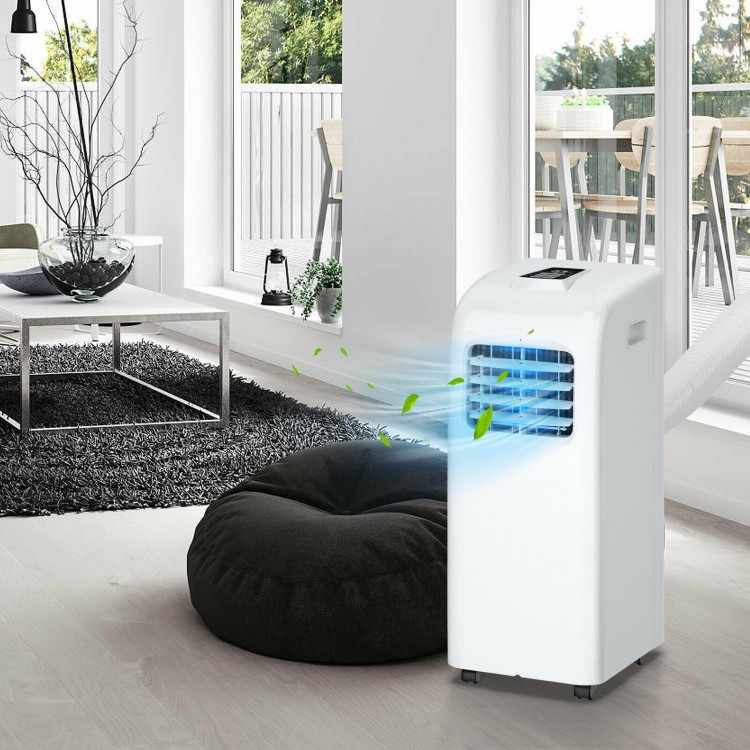
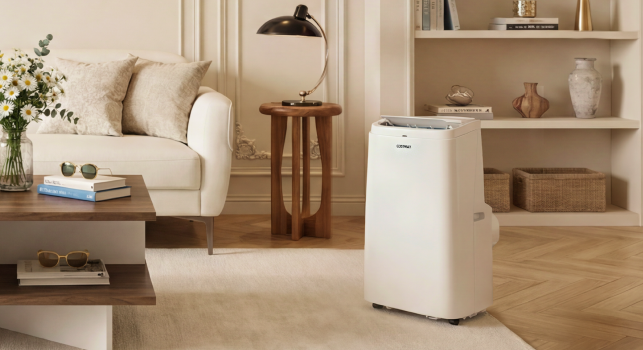
Portable air conditioners are a practical choice for quick single-room cooling. They are especially useful for Canadian renters, apartment residents, condo owners, bedrooms, home offices, and spaces where permanent installation is not possible.
Most portable units require a window venting kit to release hot air outdoors. They are flexible, easy to move, and useful when you need to create one cool room during a heat wave.
Are Mini Split Air Conditioners Better for Long-Term Cooling?
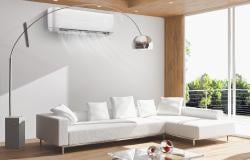
Mini split air conditioners are better for efficient long-term cooling in frequently used rooms. They work well for bedrooms, living rooms, garages, additions, and open spaces where homeowners want stronger temperature control.
A mini split usually requires professional installation, but it can be quieter and more efficient than temporary cooling options.
Are Central Air Conditioning Systems Best for Whole-Home Comfort?
Central air conditioning systems are best for larger homes and multi-room cooling. They are suitable for detached houses, renovations, and homes that already have ductwork.
Instead of cooling only one room, a central system can distribute cool air more evenly throughout the home.
Which AC Option Is Right for You?
Which Air Conditioners Are Recommended for Extreme Heat?
After choosing the right AC type, product selection should be based on your actual space and cooling goals. The following options naturally match three common Canadian home scenarios: apartments, frequently used rooms, and larger homes.
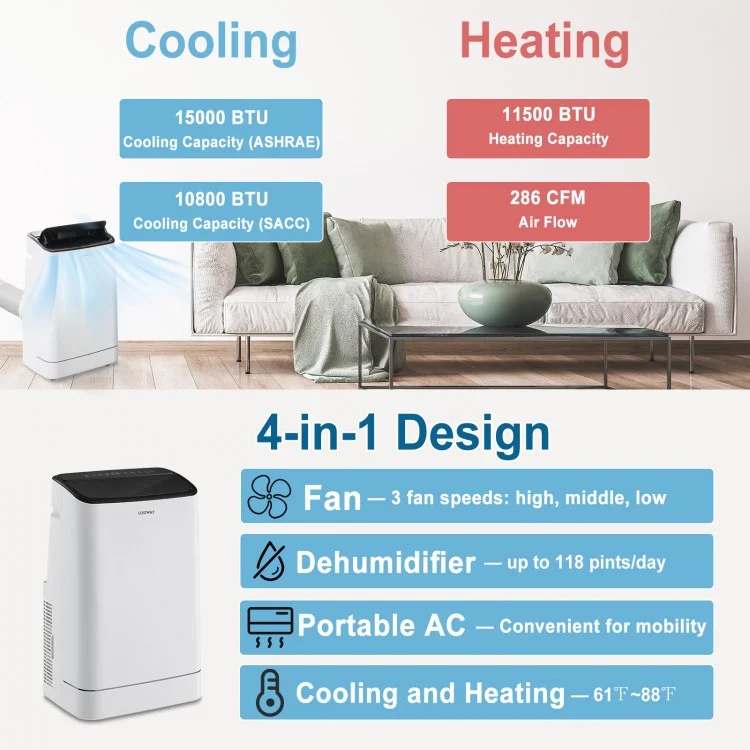
Best for Apartments and Single Rooms: 15000 BTU Portable Air Conditioner with Heat and Auto Swing
For apartments, bedrooms, home offices, and rental homes, the 15000 BTU Portable Air Conditioner with Heat and Auto Swing is a practical option. It is designed for fast room cooling without permanent installation, making it useful during sudden heat waves or for homes without central AC.
Key features include:
15000 BTU cooling capacity for strong room cooling.
Suitable for large rooms up to 800 sq.ft.
Cooling, heating, fan, and dry modes for flexible use.
Auto swing to help distribute cool air more evenly.
Remote, LED panel, and app control for convenience.
Built-in wheels and window kit for easier setup.
Good choice for renters, condos, bedrooms, and home offices.
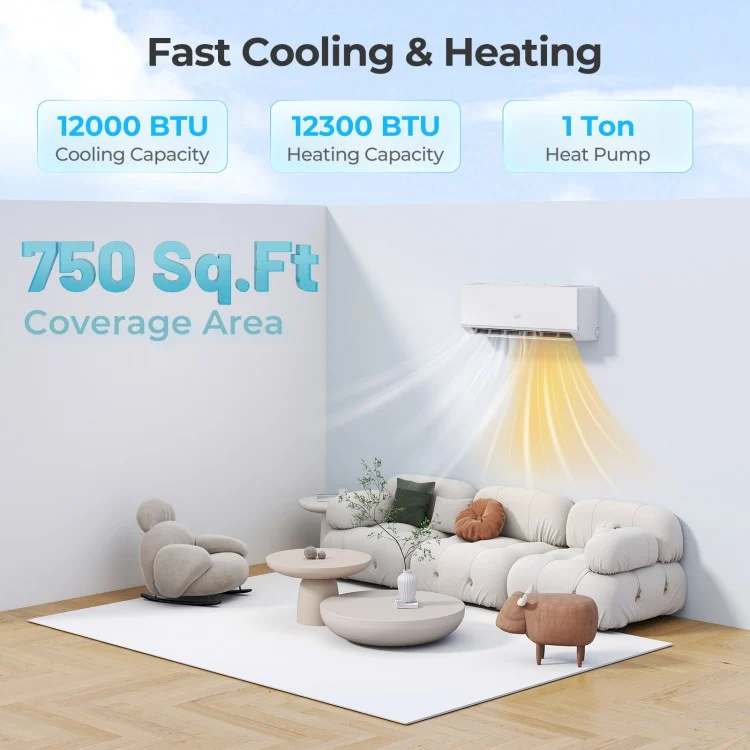
Best for Bedrooms and Living Rooms: 12000 BTU 24 SEER2 Ductless Mini Split Air Conditioner and Heater
For homeowners who want efficient long-term cooling, the 12000 BTU 24 SEER2 Ductless Mini Split Air Conditioner and Heater is a strong choice. It works well for bedrooms, living rooms, additions, and rooms that need consistent comfort throughout summer.
Key features include:
12000 BTU capacity for rooms up to 750 sq.ft.
24 SEER2 efficiency rating for energy-conscious cooling.
Ductless design for homes without existing ductwork.
WiFi-enabled control for easier temperature management.
Cooling and heating functions for year-round comfort.
Quiet operation suitable for bedrooms and living spaces.
Practical long-term solution for Canadian homeowners.
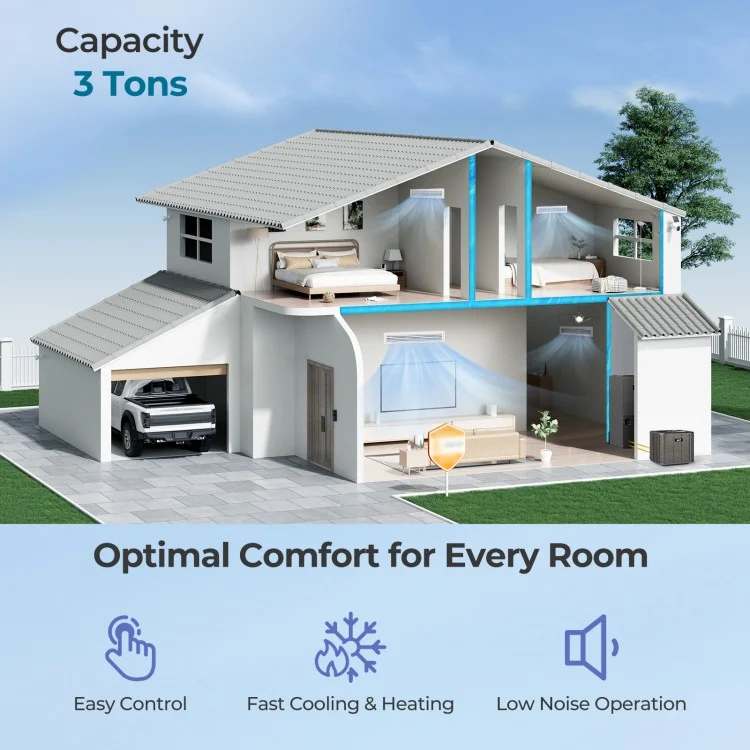
Best for Whole-Home Cooling: 3 Ton Ducted Central Air Conditioner Heat Pump System
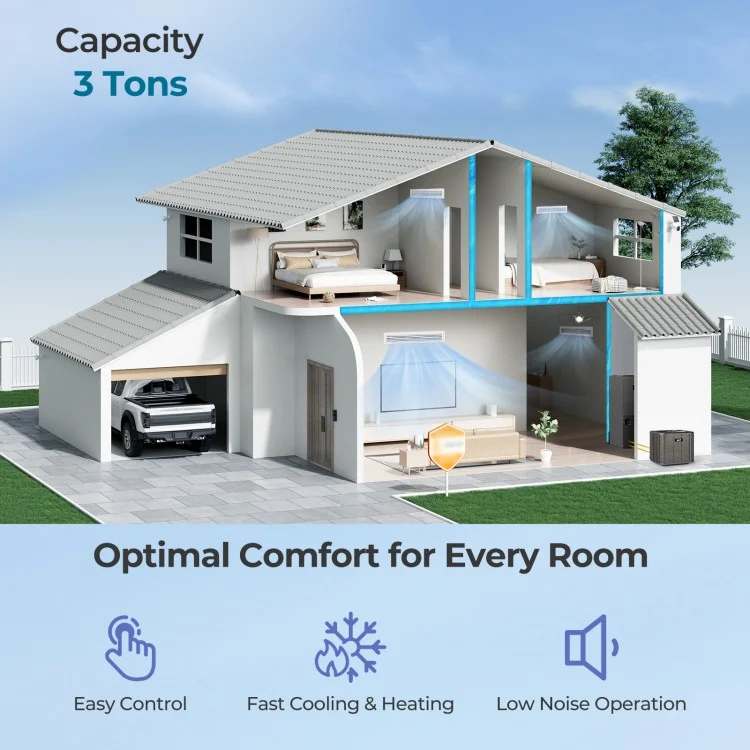
For larger homes, the 3 Ton Ducted Central Air Conditioner Heat Pump System is designed for whole-home comfort. It is suitable for households that want more even cooling across multiple rooms, especially in detached homes or renovation projects.
Key features include:
3 Ton / 36K BTU capacity for larger spaces.
19 SEER2 efficiency rating.
Ducted design for multi-room cooling.
Heat pump system for both cooling and heating.
Works with existing ductwork in suitable homes.
Helps create consistent comfort across the home.
Professional installation required for proper performance.
How Can You Use Your Air Conditioner Efficiently?
Choosing the right air conditioner is important, but how you use it also affects comfort and energy use. A few small habits can help your AC cool better during extreme heat.
What Temperature Should You Set Your AC To?
Set your AC to a comfortable temperature rather than the lowest possible setting. A very low setting does not always cool the room faster, but it can increase energy use.
For sleep, choose a temperature that feels comfortable and stable through the night.
Should You Keep Doors and Windows Closed?
Yes, keep windows and exterior doors closed while the AC is running. If you are cooling one room, close interior doors so the unit can focus on that space.
This is especially helpful for portable AC units and mini splits.
How Often Should You Clean AC Filters?
Clean washable filters regularly and replace disposable filters according to the manufacturer’s instructions. Dirty filters reduce airflow and make the unit work harder.
Better airflow can improve cooling performance and help extend the life of your air conditioner.
How Do Curtains and Weather Sealing Help?
Curtains, blinds, door seals, and window weather stripping help keep hot air out and cool air in. These simple upgrades reduce heat gain during the day.
They are especially useful in older homes, condos with large windows, and rooms that receive direct afternoon sunlight.
Should You Use a Smart Thermostat?
A programmable or smart thermostat can help manage cooling more efficiently. It allows you to schedule cooling before peak heat, avoid unnecessary runtime, and maintain a more stable indoor temperature.
For central systems, this can be especially useful during long heat waves.
How Can You Stay Safe During a Heat Wave?
Even with air conditioning, it is important to recognize when heat becomes a health risk. Safety habits are especially important for vulnerable people and households with pets.
What Are the Signs of Heat-Related Illness?
Warning signs may include dizziness, headache, nausea, weakness, heavy sweating, rapid heartbeat, confusion, or unusually hot skin. Move to a cooler place immediately and cool the body with water, a damp cloth, or a cool shower.
If symptoms are severe or worsen quickly, seek medical help.
How Can You Protect Seniors, Children, and Pets?
Older adults, young children, people with chronic health conditions, and pets are more vulnerable during extreme heat. Check on them often and make sure they have access to water and a cool indoor space.
Never leave children or pets inside a parked vehicle, even for a short time.
When Should You Seek Medical Help?
Seek medical help if someone becomes confused, faints, has trouble breathing, stops sweating despite feeling very hot, or shows signs of heat stroke. Heat-related illness can become serious quickly.
When in doubt, it is safer to act early.
Final Thoughts
The best way to stay cool in extreme heat is to combine smart habits with reliable indoor cooling. Staying hydrated, blocking sunlight, avoiding peak heat, and reducing indoor heat sources all help, but air conditioning is often the most effective solution during severe heat.
For single rooms and apartments, a portable air conditioner offers flexible cooling. For efficient long-term comfort, a mini split air conditioner is a strong option. For larger homes, a ducted central air conditioning system provides the most complete cooling solution.
FAQs About Staying Cool in Extreme Heat
What Is the Fastest Way to Cool Down a Room in Extreme Heat?
The fastest way is to block sunlight, close windows, shut the door, and run an air conditioner. A portable AC can cool a single room quickly when properly vented. Using a fan with AC can help circulate cool air more evenly across the space.
Is a Portable Air Conditioner Good for Extreme Heat?
Yes, a portable air conditioner is good for extreme heat when you need to cool one room quickly. It works well for bedrooms, apartments, home offices, and rental spaces. For best results, close doors, block sunlight, and make sure the unit is properly vented through a window.
Is a Mini Split Better Than a Portable Air Conditioner?
Yes, a mini split is usually better for long-term cooling because it is quieter, more efficient, and more consistent. A portable air conditioner is better for renters, temporary cooling, or rooms where permanent installation is not possible.
Should I Use a Fan with an Air Conditioner?
Yes, using a fan with an air conditioner can help circulate cool air and make the room feel more comfortable. However, during extreme heat, a fan should not replace air conditioning if the indoor temperature is dangerously high.
What Type of AC Is Best for a Canadian Summer Heat Wave?
The best AC depends on your home. A portable AC works well for apartments and single rooms, a mini split is better for efficient long-term room cooling, and a central air conditioning system is best for larger homes that need whole-home comfort.