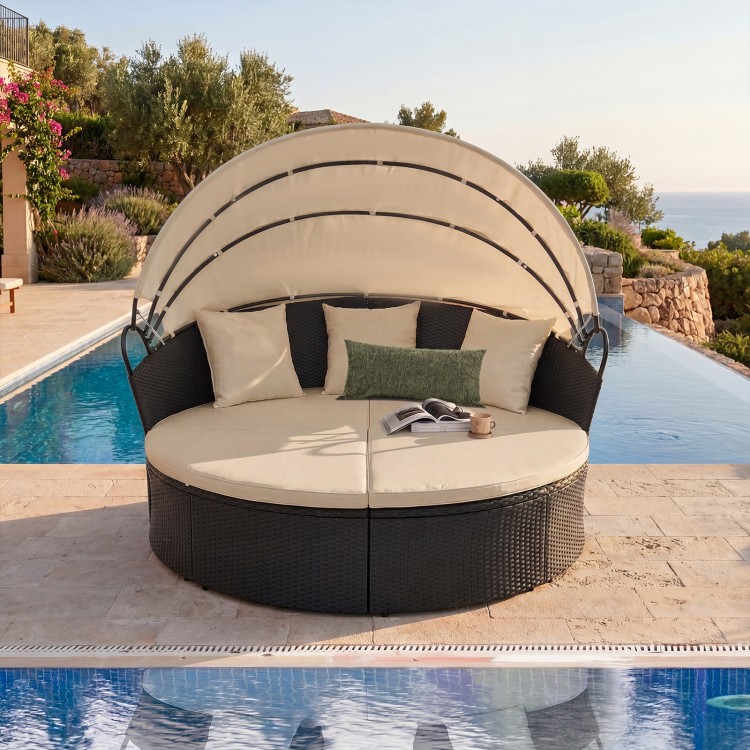






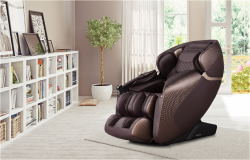


A rattan chair is a lightweight, woven seat made from natural palm fibers or durable synthetic resin (PE rattan). In Canada, where outdoor recreation is highly valued, weather-resistant PE rattan is an ideal choice, as it withstands strong UV rays and adapts to humidity changes. Whether adding a touch of bohemian style to a patio or creating a durable outdoor relaxation space on a terrace, a rattan chair is a versatile option.
This is especially important for Canadian homeowners, where outdoor furniture must handle strong UV exposure in summer and freezing temperatures in winter.
Key Takeaways
A rattan chair can be made from natural or synthetic materials depending on usage needs
PE rattan is more suitable for outdoor and Canadian weather conditions
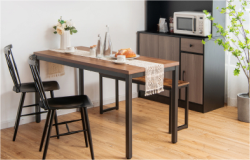
Rattan seating is commonly used in dining areas, patios, and lounge spaces
Frame quality and cushions significantly affect comfort and durability
Proper maintenance helps extend the lifespan of rattan furniture in outdoor environments
What Is Rattan and Why Is It Used in Furniture?
Rattan, a solid fiber vine originating from Southeast Asia, is prized for its "steam-bending" properties, allowing it to be shaped into durable, ergonomic curves. In Canada, most outdoor furniture uses synthetic polyethylene (PE) rattan. This PE rattan boasts the natural look of natural rattan and is better suited to Canada's extreme UV radiation and frigid winters, which can drop to -30 degrees Celsius.
Rattan combines natural warmth with lightweight strength. It offers a flexible "woven suspension" structure, providing comfort unmatched by wood or metal. For Canadian users, the texture of rattan instantly creates a "homey vacation" atmosphere, making it the perfect centerpiece for creating comfortable and upscale outdoor relaxation spaces.
When choosing rattan chairs, here are some trade-offs you need to consider:
Pros:
Weatherproof: PE rattan resists snow, rain, and UV fading.
Low Effort: No staining required—just a quick seasonal hose-down.
Portable: Easy to rearrange for social gatherings or winter storage.
Cons:
Indoor Limits: Natural rattan rots quickly if left in Canadian rain.
Dust Traps: The weave can catch pollen and debris in the crevices.
Cushion-Heavy: Best enjoyed with cushions to avoid the "textured" feel on skin.
Natural Rattan vs. PE Rattan: What Should You Choose?
In Canada, your choice depends entirely on placement. For enclosed sunrooms, Natural Rattan delivers authentic, organic warmth. However, for an exposed patio, PE (Polyethylene) Rattan is the ultimate survivor—engineered to shrug off our intense summer UV rays and freeze-thaw winters with zero fuss.
The key differences between natural rattan and PE rattan are summarized below:
Key guidance
Natural rattan works better for indoor dining or decorative seating
PE rattan is preferred for outdoor rattan chairs in Canadian climates
How to Choose the Right Rattan Chair (5-Point Checklist)
Finding the perfect rattan chair for your patio requires balancing aesthetics and durability, and involves considering several factors. The following five expert buying guides can help you.
1. Material Match
When purchasing outdoor products, PE synthetic rattan is the best choice. This material is specifically designed to withstand strong ultraviolet rays in summer and is not prone to fading; it will not become brittle or crack in the harsh winter. If you are choosing an enclosed sunroom, you can confidently choose natural rattan products, but be sure to store them indoors to prevent mold and moisture damage.
2. Frame Quality
The hidden skeleton of your chair is just as important as the weave. Skip cheap steel frames, as they will inevitably rust after a few wet spring days or exposure to humid coastal air. Instead, look for a powder-coated aluminum frame, which is completely rust-proof, structurally sturdy, and lightweight enough to move across your deck when rearranging for guests easily.
3. Comfort & Cushions
While a tight rattan weave offers good natural suspension, the cushions dictate your actual lounging comfort. Look for thick, high-density foam cushions wrapped in outdoor-grade, water-repellent fabrics like Olefin or Sunbrella. These premium materials are essential for Canadian weather because they resist mildew from morning dew and won't fade out after a single season in the sun.
4. Size & Proportions
Always measure your available footprint before bringing a piece home. A massive, deep-seated egg chair looks phenomenal in a large suburban backyard but will completely overwhelm a tight city condo balcony. If your outdoor space is at a premium, opt for slim-profile or stackable rattan chairs that maximize seating without blocking your walkways.
5. Weight Capacity
Checking the weight limit is a reliable shortcut to verify the overall build quality of the furniture. A well-built outdoor rattan chair should comfortably support 250 to 300 pounds or more. A higher weight capacity indicates a reinforced aluminum frame and a tightly woven, high-tension PE rattan that won't sag, stretch, or snap after years of heavy use.
Which Rattan Chairs Are Worth Buying in 2026?
Now that you know what to look for, which styles actually survive and thrive in Canada's demanding climate? Rather than just shopping for a specific look, it is much smarter to choose based on how you actually use your outdoor space. Here are the top rattan seating styles Canadian homeowners are buying in 2026, proven to deliver the best balance of durability, comfort, and all-weather flexibility.
Best for Outdoor Dining: Cushioned Rattan Dining Chairs
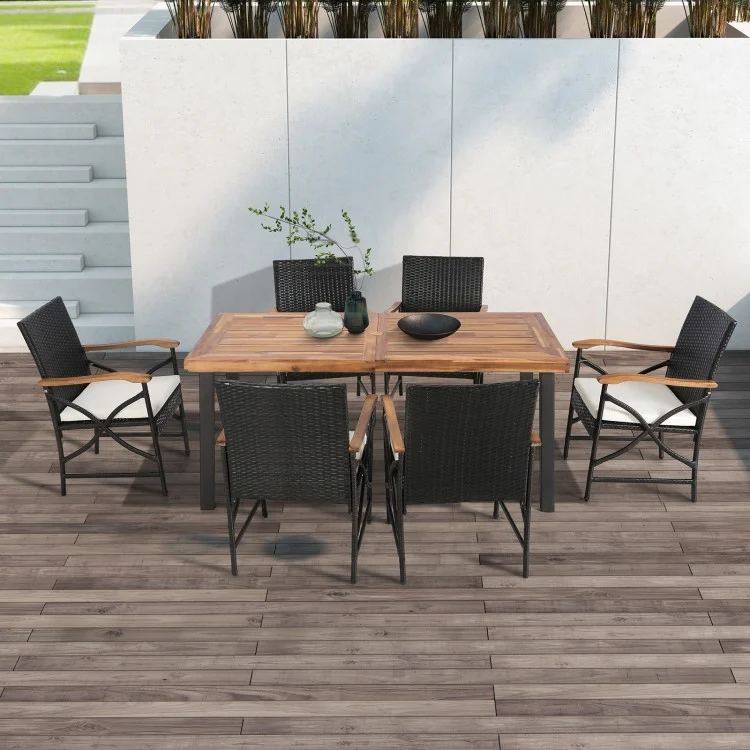
For patios used for daily meals or weekend gatherings, cushioned rattan dining chairs are one of the most reliable choices. If you are building your dining setup from scratch, investing in a versatile set of 2/4 patio wicker chairs with soft zippered cushion seating is the smartest way to accommodate your specific table size and family needs.
They provide enough structured support for long summer dinners while remaining incredibly easy to clean after accidental BBQ spills. Because our Canadian weather is so unpredictable, this design makes maintenance a breeze—especially when sudden summer rain or sticky spring pollen hits. Combined with weather-resistant PE rattan and lightweight aluminum frames, these chairs are effortlessly easy to rearrange for guests or tuck away at the end of the season.
Best for Relaxation: Swivel or Reclining Rattan Chairs
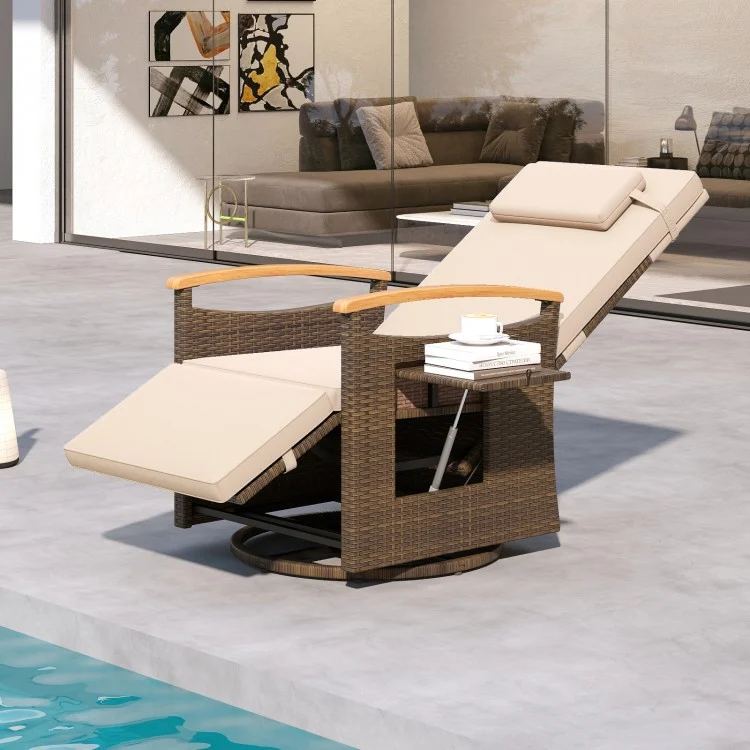
For decks, sunrooms, or backyard lounging areas, comfort becomes the ultimate priority. Upgrading to a patio rattan 360° swivel recliner chair offers unmatched flexibility compared to standard stationary seating, allowing you to effortlessly track the afternoon sun, read, or turn to chat with family without scraping furniture across your deck.
In Canada, where our outdoor time is precious and limited to the warmer months, investing in this level of highly comfortable, motion-friendly seating can significantly elevate your entire summer experience, allowing you to truly maximize every sunny afternoon.
Best for Small Spaces: Stackable or Compact Rattan Chairs
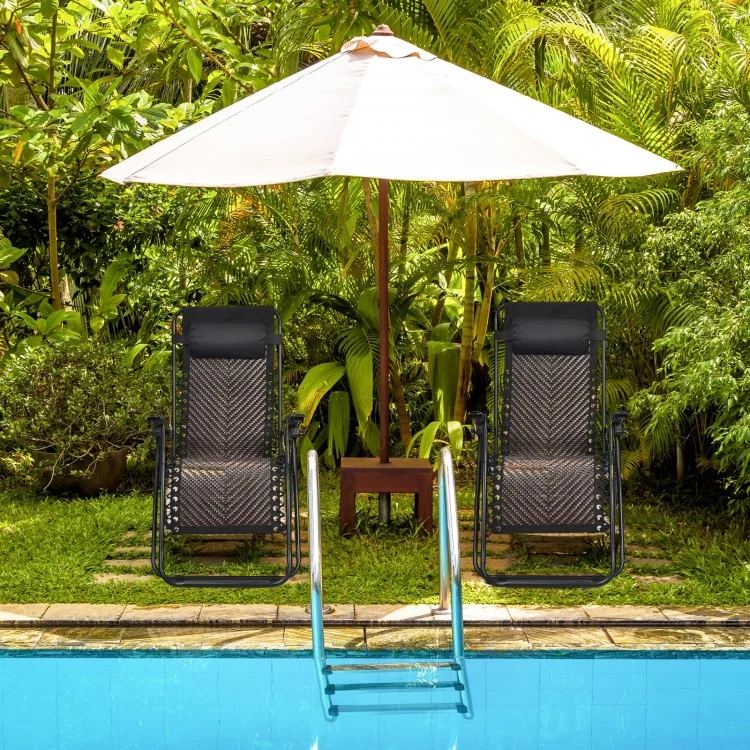
For condos, balconies, or smaller patios, space efficiency matters just as much as comfort. Compact or stackable rattan chairs help maximize usable space without making the area feel crowded. If you want the luxury of full-body relaxation without giving up your entire footprint, a 2-piece folding patio rattan zero gravity lounge chair set is a brilliant, space-saving solution.
These slim-profile and foldable designs are incredibly easy to store when not in use and work perfectly for flexible layouts. This is particularly useful in urban environments where outdoor areas are limited, and furniture must be frequently moved or tucked away before the Canadian winter sets in.
How to Clean and Maintain Rattan Furniture
Proper maintenance is essential to extend the lifespan of rattan seating, especially in regions like Canada, where seasonal changes can impact furniture durability. Regular care helps preserve both the appearance and structural integrity of your rattan pieces over time.
Basic cleaning steps
For everyday cleaning, it’s recommended to wipe the surface with a soft cloth to remove dust and debris. For deeper cleaning, you can use mild soap mixed with water, but be sure not to oversaturate the material. After cleaning, always dry the furniture thoroughly to prevent moisture from affecting the rattan fibers.
Canada-specific care tips
In Canadian climates, additional care is often necessary. During the winter months, storing rattan furniture indoors can help prevent damage caused by freezing temperatures. If outdoor storage is unavoidable, using protective covers is highly recommended. It’s also important to avoid prolonged exposure to snow and ice, as this can weaken the material and reduce its lifespan.
Final Thoughts: Is a Rattan Chair Right for You?
After reviewing materials, use cases, and maintenance needs, rattan seating proves to be a versatile choice for both indoor and outdoor spaces. Choosing the right material and structure is especially important in Canadian homes, where weather conditions vary throughout the year.
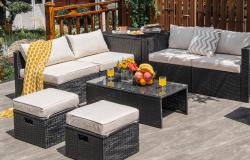
For those looking to upgrade their outdoor setup, rattan seating pairs well with larger pieces like outdoor sectional sofas, creating a more functional and comfortable living space.
FAQs About Rattan Chairs
What Is a Rattan Chair Made Of?
A natural rattan chair is made from a tropical palm vine, while outdoor versions use Synthetic PE (Polyethylene) strands woven over a metal frame. In Canada, patio furniture almost exclusively uses the PE version, typically hand-woven over a rust-proof aluminum frame. This high-density plastic resin perfectly mimics organic vines while delivering the extreme weather resistance required for our climate.
Are Rattan Chairs Good for Outdoor Use?
Yes, but only if you choose synthetic PE rattan, as natural rattan will quickly absorb moisture and rot outside. PE rattan is specifically engineered for outdoor spaces because it is entirely waterproof, frost-proof, and UV-treated. It easily survives scorching July heatwaves on exposed decks and heavy autumn downpours without fading or warping.
How Do You Maintain a Rattan Chair?
You maintain an outdoor PE rattan chair by simply spraying it with a garden hose and using a soft brush with mild soapy water. Unlike wood furniture, there is absolutely no need for annual sanding or staining. Just quickly brush away spring pollen or tree sap caught in the crevices, and store the chairs (or use a heavy-duty cover) before the winter snow arrives.
Is Rattan Better Than Wicker?
Rattan is a specific type of material, while "wicker" simply refers to the weaving technique used to make the furniture, so they aren't competing options. A chair can be woven (wicker style) using natural rattan, bamboo, or synthetic plastics. In the Canadian outdoor market, retailers often use the terms "resin wicker" and "PE rattan" completely interchangeably to describe the exact same all-weather furniture.
Can Rattan Chairs Stay Outside in Winter?
In Canada, PE rattan chairs can stay outside during mild weather, but long-term exposure to snow and freezing temperatures is not recommended. For best durability, it’s advised to store them indoors or use protective covers during the winter months.