








How Do Portable Air Conditioners Work? A Complete Beginner's Guide SEO Description:
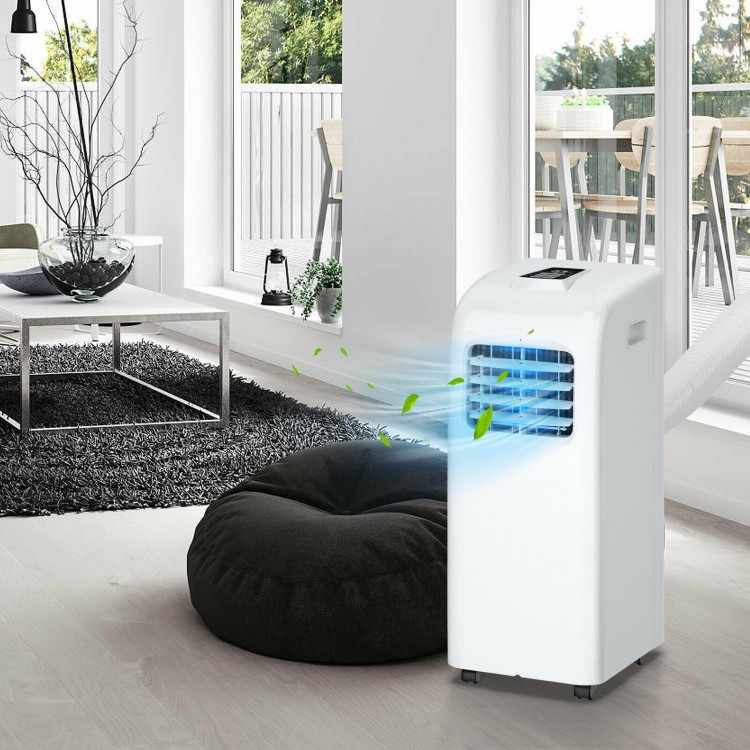
Portable air conditioners work by removing heat from indoor air and venting it outside through an exhaust hose. In Canada, they are especially useful in apartments and condos where central air conditioning is limited or unavailable, particularly during short but intense summer heatwaves in cities like Toronto, Vancouver, and Montreal. Portable air conditioners cool individual rooms by removing heat and humidity from indoor air and exhausting the collected heat outdoors through a vent hose. Proper venting is essential for portable air conditioners, as trapped exhaust heat can reduce cooling performance and increase energy consumption. Dual-hose portable air conditioners generally provide faster cooling and higher efficiency than single-hose models, especially in larger spaces. Modern portable air conditioners often use self-evaporation technology to reduce the amount of condensation that requires manual draining. When evaluating portable air conditioners, the SACC rating provides a more realistic indication of real-world cooling performance than the advertised ASHRAE rating. A portable air conditioner is a self-contained cooling appliance designed to cool individual rooms. Unlike central air systems that cool an entire home through ductwork, portable ACs focus on specific areas and can be moved from room to room when needed. Most units sit on the floor and connect to a nearby window using an exhaust hose that removes heat from the room. Their portability, easy installation, and flexibility make them a popular choice for renters and homeowners alike. While all three systems cool indoor spaces, they differ significantly in installation, coverage, and convenience. Easy to install with minimal tools Suitable for renters and condos Can be moved between rooms No permanent modifications required Available in various cooling capacities Often include fan and dehumidifier functions Generally less efficient than central air Take up floor space Produce some operating noise Require proper venting through a window or opening May need occasional water drainage depending on humidity levels Portable air conditioners work through a continuous cooling cycle. They start by pulling warm air from the room using an internal fan. That air then moves across cold evaporator coils, where heat is absorbed, and moisture begins to condense. The heat doesn’t disappear—it gets pushed out through an exhaust hose to the outside. What’s left is cooler air, which gets circulated back into the room, and the process keeps repeating. Several important parts work together to keep a portable air conditioner operating efficiently. Compressor: Pressurizes and circulates refrigerant through the system. Evaporator Coils: Absorb heat from indoor air. Condenser Coils: Release collected heat. Fan Motors: Move air through the unit. Air Filters: Capture dust and debris. Exhaust Hose: Directs hot air outside. Thermostat: Monitors and regulates room temperature. Drainage System: Handles condensation and moisture removal. Understanding these components can help you better maintain your unit and troubleshoot common issues. For a better understanding of how to use a portable air conditioner, please refer to the How to Use an 8000 BTU Portable Air Conditioner: Complete User Guide. Dual-hose systems are generally more efficient and provide faster cooling, especially in hot and humid climates. Single-hose and dual-hose units differ mainly in how they manage air exchange with the outdoors. For larger rooms or extremely hot Canadian summers, a dual-hose system often provides better overall performance. A portable AC removes heat from indoor air, but that heat has to go somewhere. The exhaust hose provides a pathway for hot air to leave the room. Without proper venting, the unit cannot effectively cool the space. Think of it this way: the AC is constantly collecting heat from inside your room. If that heat remains indoors, cooling becomes impossible. Improper venting can lead to several issues: Reduced cooling performance Higher energy consumption Increased indoor temperature Excess humidity buildup Additional strain on the unit In some cases, a poorly vented portable AC may make a room feel warmer rather than cooler. Most portable air conditioners include adjustable window vent kits designed to fit common Canadian window styles. These kits help create a sealed connection between the exhaust hose and the window opening, preventing hot outdoor air from entering while allowing heat from the AC to escape. For condos and apartments, window kits offer one of the easiest cooling solutions without requiring permanent installation. Cooling isn't the only thing a portable AC does. It also helps remove excess moisture from the air. This dehumidifying effect can make rooms feel noticeably more comfortable, especially during humid summer weather. Warm air naturally contains water vapor. When this warm air contacts the cold evaporator coils inside the unit, moisture condenses into liquid water—similar to how water droplets form on a cold drink on a hot day. This condensation must be managed by the air conditioner. Many modern portable ACs use self-evaporation technology. Instead of collecting all condensation in an internal tank, the system reuses some of the water to help cool internal components before expelling it through the exhaust hose. This reduces the need for frequent draining and simplifies maintenance. Depending on the model, water may be removed in different ways. Water collects in an internal reservoir. The user empties the tank periodically. Common in older or entry-level models. Water drains automatically through a hose. Ideal for humid environments. Reduces maintenance requirements. If you live in a particularly humid region, continuous drainage can be a convenient feature. For example, an 8000 BTU (ASHRAE) Portable Air Conditioner with Dehumidifier Function combines cooling and moisture removal in a single unit. This type of system is well suited for bedrooms, home offices, condos, and smaller living spaces where excess humidity can make the room feel warmer than it actually is. Choosing the correct size is critical for both comfort and efficiency. A unit that's too small may struggle to cool the space, while one that's too large can cycle on and off too frequently. BTU measures cooling capacity. Larger units consume more electricity, which is an important consideration in Canada where electricity costs (hydro rates) can vary significantly by province. Factors such as ceiling height, sunlight exposure, occupancy, and insulation can also affect cooling needs. SACC ratings provide a more realistic measure of real-world cooling performance than ASHRAE ratings. ASHRAE ratings are measured under controlled laboratory conditions and have traditionally been used by manufacturers to advertise cooling capacity. However, they don't fully reflect how a portable AC performs in everyday use. SACC (Seasonally Adjusted Cooling Capacity) was introduced to provide a more realistic measure of cooling performance. The rating accounts for factors that reduce efficiency in real-world conditions, including: Heat released from the exhaust hose Air leakage around window installations Negative air pressure created by single-hose systems Additional heat entering the room during operation As a result, the SACC rating is always lower than the corresponding ASHRAE rating for the same unit. For example: When comparing portable air conditioners, many HVAC professionals recommend paying closer attention to the SACC rating because it provides a better estimate of actual cooling performance inside your home. A good example is a 12000 BTU (ASHRAE) Portable Air Conditioner with Smart App Control, which allows users to adjust temperature settings, operating modes, timers, and schedules remotely through a smartphone app. Features like these can make it easier to manage energy consumption and maintain comfort throughout the day. For buyers focused on energy efficiency, ENERGY STAR® recommends comparing cooling performance and energy consumption rather than relying solely on advertised BTU ratings. Choosing an ENERGY STAR certified model can help reduce electricity usage while maintaining effective cooling performance. Conclusion Portable air conditioners offer a flexible and practical cooling solution for homes, apartments, condos, offices, and rental properties. By pulling warm air from the room, removing heat through a refrigeration cycle, venting hot air outdoors, and returning cooled air back into the space, they provide effective spot cooling without permanent installation. Whether you're dealing with a summer heatwave or simply need extra cooling in a specific room, understanding how portable air conditioners work can help you choose the right model, install it correctly, and maximize its performance. Yes. Portable air conditioners are one of the most popular cooling options for Canadian condos because they typically require no permanent installation. Most models can be vented through a standard window using an included window kit, making them ideal for condo living. Yes, portable air conditioners can still provide effective cooling during heatwaves. However, performance depends on factors such as room size, insulation, sun exposure, and whether the unit is properly sized for the space. Keeping windows and doors closed can help improve efficiency during extreme temperatures. Electricity consumption varies by model, cooling capacity, and usage time. In general, larger units consume more power than smaller ones. Checking the unit's wattage and local electricity rates can provide a more accurate estimate of operating costs. Portable air conditioners require a way to vent hot air outdoors. While a window is the most common solution, some users vent through sliding doors, wall openings, or other approved exhaust points. Without proper venting, cooling performance will be significantly reduced. Yes. Basements often stay naturally cooler than upper floors, making portable air conditioners highly effective in these spaces. Many units also provide dehumidification, which can help address the damp conditions commonly found in basementsKey Takeaways
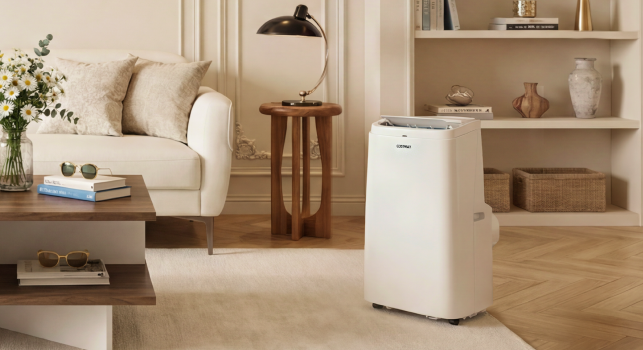
What Is a Portable Air Conditioner?
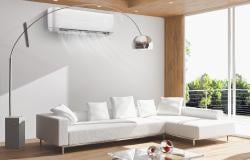
Portable AC vs Window AC vs Central Air
Pros and Cons of Portable Air Conditioners
Pros
Cons
How Do Portable Air Conditioners Work?
Key Components Inside a Portable AC
Single Hose vs Dual Hose Portable AC (Efficiency Comparison)
Why Do Portable Air Conditioners Need to Be Vented?
What Happens If You Don’t Vent It Properly?
Window Venting Kits in Canadian Homes
How Portable Air Conditioners Handle Water & Humidity
Why Moisture Forms During Cooling
Self-Evaporation Technology
Manual Drain vs Continuous Drain Hose
Manual Drain
Continuous Drain Hose
How to Choose the Right Portable AC Size for Your Room
BTU Recommendations by Room Size
Understanding ASHRAE and SACC Ratings
FAQs
Can you use a portable air conditioner in a Canadian condo?
Do portable air conditioners work during heatwaves?
How much electricity does a portable AC use in Canada?
Do portable ACs work without a window?
Are portable air conditioners good for basements?