














Installing a split air conditioner is becoming a popular choice for homeowners looking for efficient and quiet cooling. Compared to traditional units, it offers better performance and flexibility—but the installation process can feel overwhelming if you’ve never done it before.
In this guide, we’ll walk you through air conditioner installation for a split system step by step, helping you understand the requirements, avoid costly mistakes, and choose the right unit for your space—especially for Canadian homes with seasonal temperature changes.
Key Takeaways
DIY air conditioner installation is feasible for split systems, but it requires proper tools, technical knowledge, and compliance with local regulations.
Choosing the correct BTU capacity and ensuring proper electrical and wall conditions are essential before installing a split air conditioner.
A complete air conditioner installation involves six key steps, including mounting units, connecting refrigerant lines, and vacuum testing the system.
Using proper accessories such as line sets, protective covers, and mounting brackets improves installation reliability and long-term performance.
Improper installation practices, such as skipping vacuuming or poor sealing, can reduce efficiency and negatively affect system lifespan.
1. Pre-Installation: How Do You Choose and Prepare Your Space?
A successful DIY mini split air conditioner installation begins long before you unbox the unit. Preparing your space properly and ensuring you have the right equipment will save you time, money, and frustration.
Before getting started, make sure you have the essential tools ready, including a vacuum pump, manifold gauges, a torque wrench, and a hole saw drill. Missing these is the #1 reason DIY installations fail.
How Do You Match BTU Capacity to Your Room Size?
Choosing the correct cooling or heating capacity is critical. An undersized unit will run constantly and burn out, while an oversized unit will short-cycle and fail to dehumidify the room properly. Generally, small to medium rooms (300–500 sq. ft.) require a 9,000 to 12000 BTU mini split unit, whereas large or open-concept spaces (600–1,000 sq. ft.) will need an 18,000 to 24,000 BTU system.
Pro Tip for Cold Climates: If you live in Canada, consider slightly oversizing your unit or choosing a model with a built-in chassis heater (like the Costway 12k BTU model mentioned above) to maintain stable heating during sub-zero winters.
Does Your Home Meet Wall and Electrical Requirements?
Your home’s structure and electrical panel dictate whether you can install the unit safely. You need a solid, load-bearing exterior wall for the indoor unit, free from internal plumbing or wiring where you plan to drill the 3-inch refrigerant hole. Electrically, most standard mini-splits require a dedicated 208–230V circuit. While a few smaller 9,000 BTU mini split models can plug into a standard 110V/120V outlet, anything 12,000 BTU or higher usually requires hardwiring to your breaker box.
IMPORTANT SAFETY WARNING: If you are not fully confident with electrical codes, hire a licensed electrician for this specific step. Improper wiring can void your homeowner's insurance and pose a severe fire risk.
Top Split AC Recommendations (2026)
If you are looking for units that balance energy efficiency, cold-weather reliability, and DIY-friendly features, here are the top models we recommend for 2026:

2. How to Install a Split Air Conditioner? (Step by Step)
Now that your space and system are ready, it’s time to move into the actual installation process. This is the core part of air conditioner installation.
Step 1: Choose the Right Location for the Units
Indoor unit: Mount it about 7–8 feet (2–2.5 meters) high on a load-bearing wall. Avoid placing it where airflow will blow directly onto seating areas.
Outdoor unit: Ensure it has plenty of clearance for proper ventilation. In colder regions like Canada, it is crucial to keep the unit elevated above average snowfall levels to prevent winter damage.
Step 2: Mount the Indoor Bracket Securely
Use a stud finder to locate solid wood, and use a bubble level to ensure the mounting bracket is perfectly horizontal. Even a slight tilt can cause condensation water to drip inside your home instead of draining outside.
Step 3: Drill the Wall Hole Safely
Using a 2.5–3 inch hole saw, drill through the exterior wall.
Crucial tip: Angle the drill slightly downward toward the outside. This gravity-fed slope ensures the condensation drain hose flows smoothly without backing up.
Step 4: Connect Refrigerant Lines, Wiring, and Drain Hose
Push the copper lines, electrical communication wire, and drain hose through the wall. Use a torque wrench to connect the copper lines to the units—under-tightening causes leaks, while over-tightening cracks the flares. Next, connect the communication wires, matching the exact numbered terminals on both the indoor and outdoor units.
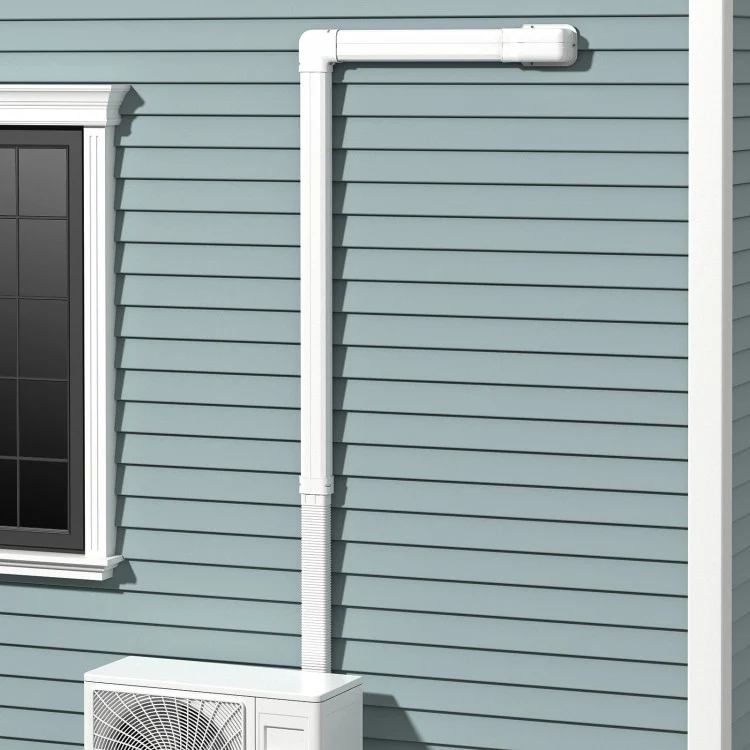
Pro Tip for a Clean Look: Using a complete mini-split line set paired with a decorative PVC line cover kit is highly recommended. Not only does it hide the ugly pipes, but it also shields the insulation from harsh Canadian weather and UV damage, preventing long-term leaks.
Step 5: Install the Outdoor Unit on a Stable Surface
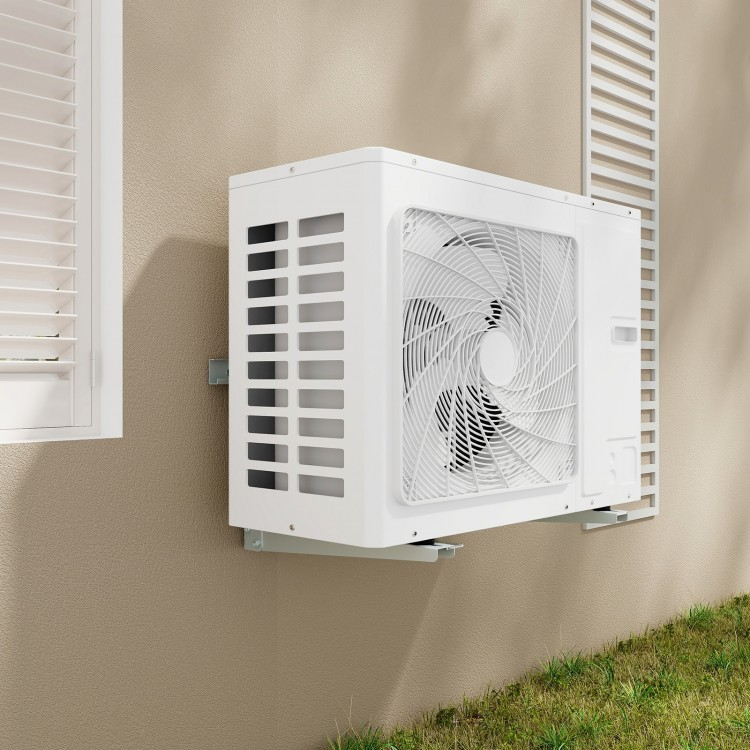
Mount the unit on a stable surface or wall bracket
Elevate above ground to prevent snow accumulation
In colder regions like Canada, proper mounting is essential to ensure your air conditioner installed system remains stable throughout winter.
Using a wall mounting bracket for ductless AC units is a smart choice, as it keeps the outdoor unit elevated and protected from snow buildup, moisture, and debris.
Why a mounting bracket is important:
Reduces vibration and noise
Prevents direct contact with snow and water
Extends the lifespan of installed air conditioners
Step 6: Vacuum the Lines and Release the Refrigerant
In 2026, simply "bleeding" the lines is an obsolete practice that will destroy high-efficiency Inverter compressors. You must ensure the system is dehydrated.
The 500-Micron Vacuum: Connect a dual-stage vacuum pump and a digital micron gauge to the outdoor unit's service port. Run the pump until the gauge reads below 500 microns.
The Decay Test: Close the valve and wait 10 minutes. If the pressure rises to atmospheric pressure, you have a leak. If it stays under 1000 microns, your system is perfectly sealed.
(Optional HVAC Pro Standard: Before vacuuming, professionals often run a Dry Nitrogen Pressure Test at 300–500 PSI to check for leaks. If you are hiring a pro, ask them to do this!)
Release the Refrigerant: Once the vacuum test is successful, turn off the pump. Use a hex key to fully open the liquid and suction valves on the outdoor unit, allowing the pre-charged refrigerant to flood the system. Power it on and test!
3. What Mistakes Should You Avoid During Installation?
Even a carefully planned installation can fail if basic principles are ignored. Skipping the vacuuming process will leave moisture in the lines, which drastically reduces efficiency and will eventually destroy the compressor. Poor placement of the indoor unit can lead to uneven cooling and heating, while loose flare connections are the number one cause of slow refrigerant leaks. Taking your time during the final testing phase prevents these issues.
4. Final Thoughts on Split Air Conditioner Installation
By now, you should have a clear understanding of the full air conditioner installation process—from feasibility to execution. DIY installation can save money if done correctly, but professional help is still the best choice for complex setups.
For Canadian homeowners, choosing an energy-efficient, easy-to-install unit is key to long-term comfort and cost savings.
5. FAQs About Air Conditioner Installation
How Long Does It Take to Install a Split AC? A standard installation typically takes 4 to 8 hours. This timeframe can vary depending on your DIY experience, the complexity of routing the pipes, and whether your home requires additional electrical upgrades or wall modifications.
Do You Need a Professional for Installation?
No, but it is highly recommended for the electrical and refrigerant steps. While a handy homeowner can easily mount the brackets and drill the holes, hiring a licensed electrician for the 240V wiring and an HVAC pro for the vacuum testing ensures safety, legal compliance, and protects your warranty.
How Much Does Installation Typically Cost?
Professional installation usually costs between $300 and $1,500 in Canada. The exact price depends on the BTU size of the system, the layout of your home, and how far apart the indoor and outdoor units are placed. (Note: Doing the physical mounting yourself and only hiring a pro for the final hookup can significantly lower this cost.)
Can You Install It Without Drilling a Wall?
No, drilling a hole is absolutely required. You must drill a 2.5- to 3-inch hole through your exterior wall to pass the refrigerant copper lines, communication wiring, and condensation drain hose between the indoor and outdoor units.
Can You DIY a Split AC Installation in 2026?
Yes, provided you have the right tools and technical confidence. While the physical mounting is very DIY-friendly, standard mini-splits require specialized tools like a vacuum pump, manifold gauges, and a torque wrench. If you want to skip the vacuuming step entirely, you will need to specifically purchase a "DIY Mini Split" system that comes with pre-charged, sealed line sets.