
















Keeping your home cool through changing seasons in Canada isn’t just about owning an AC unit—whether it's a traditional central system or a ductless mini split AC—it’s about maintaining it properly. Air conditioner maintenance is essential for keeping your system efficient, reliable, and cost-effective over time. Regular AC maintenance improves energy efficiency and helps reduce overall electricity costs. Consistent upkeep extends system lifespan and minimizes the likelihood of unexpected breakdowns. Monthly, seasonal, and annual maintenance tasks work together to maintain stable cooling performance. Professional servicing is essential for detecting hidden issues and ensuring long-term system reliability. When repair frequency and energy costs increase, upgrading to a modern system can be a more cost-effective solution. Regular air conditioner maintenance isn’t just about avoiding breakdowns—it directly impacts your comfort, health, and expenses. Here are the key benefits: 1. Lower energy bills: When filters and coils are clean, your system doesn’t have to work as hard, reducing electricity usage. 2. Extended lifespan: Units that receive proper care last significantly longer than neglected systems. 3. Improved indoor air quality: Routine servicing removes dust, mold, and allergens from circulating air. 4. Fewer emergency repairs: Small issues are caught early before turning into costly problems. 5. Consistent cooling performance: Your home stays evenly cooled without hot or cold spots. In Canada, where summers can be humid and winters long, proactive upkeep also helps your system transition smoothly between seasons. With these benefits in mind, let’s move on to a practical step-by-step checklist you can follow throughout the year. Maintaining your air conditioner doesn't have to be overwhelming. By breaking the process down into manageable monthly, seasonal, and annual tasks, you can protect your system year-round and easily avoid expensive emergency repairs. Every month, performing a quick system audit is the most cost-effective way to sustain your AC’s efficiency and prevent avoidable wear and tear. Pivotal tasks include inspecting and replacing air filters to ensure unobstructed airflow, which prevents the blower motor from overworking. Simultaneously, verify that all supply vents are clear of obstructions for even cooling distribution, and audit your thermostat schedules to align with your current routine. Don't ignore the "sensory" check: listen for atypical rattling or buzzing, as these acoustic signatures often signal loose components or failing bearings before a total breakdown occurs. Catching these minor mechanical shifts early can reduce your annual energy consumption by up to 15%. As the seasons shift in Spring and Fall, your system requires a more technical deep clean to survive the upcoming peak demands. This bi-annual ritual focuses on the heat exchange integrity of the unit. Start by chemically cleaning the evaporator and condenser coils; even a thin layer of dust acts as an insulator, forcing the compressor to run longer cycles. Crucially, clear all organic debris—such as mulch, leaves, and cobwebs—from the perimeter of the outdoor condenser to maintain a 2-foot "breathing zone." Additionally, inspect the foam insulation on your refrigerant lines for degradation and flush the condensate drain line with a vinegar solution. This prevents algae buildup and the dreaded "drain pan overflow" that causes costly interior drywall damage. While DIY care is foundational, an annual professional calibration is mandatory for long-term system health and warranty compliance. A licensed HVAC technician performs advanced diagnostics that go beyond the visual—using specialized gauges to measure subcooling and superheat levels, testing electrical capacitors for proper microfarad readings, and tightening high-voltage connections that naturally loosen over time. For modern high-efficiency systems (especially SEER2-compliant units), these professional tune-ups are critical. A technician can diagnose "silent killers"—like a slow refrigerant leak or a carbonized contactor—long before they escalate into a $2,000 compressor failure. Investing in this annual "physical exam" ensures your system operates at its peak-rated efficiency throughout its 15-year lifespan. Note on Refrigerant (2026 Update): If your system was installed before 2024, it likely uses R-410A. Be aware that as Canada phases out older refrigerants, the cost of "recharging" these systems is rising. A professional check can ensure your system has no leaks, saving you from high refrigerant replacement costs. Even with regular maintenance, older air conditioners eventually lose efficiency. If you are facing rising energy bills, inconsistent cooling, or frequent repairs, upgrading to a modern system is often the most practical long-term solution. Today’s advanced mini split systems are designed to dramatically reduce manual upkeep. Many feature high-temperature self-cleaning functions (up to 57°C) that automatically eliminate dust, bacteria, and moisture. Coupled with energy-saving inverter technology and smart home compatibility (like Amazon Alexa), options such as the SEERXtreme Series ENERGY STAR Certified 12000 BTU 24 SEER2 Mini Split perfectly illustrate how an upgrade can simplify maintenance while maximizing year-round comfort and savings. The "$5,000 Rule" for Replacement Use this simple formula to decide if you should repair or replace: Age of Unit × Repair Cost = Decision Points Over $5,000: It’s time to upgrade to a high-efficiency SEER2 system. Under $5,000: A repair is likely still cost-effective. Example: A 12-year-old unit needing a $500 repair equals $6,000. Replacing it is the smarter financial move. Even with regular air conditioner maintenance, some issues can develop unexpectedly and require immediate professional attention. Recognizing these warning signs early can help prevent minor problems from turning into major system failures. Watch for the following signs: Warm air instead of cool air coming from vents Weak airflow throughout your home Strange noises such as grinding, banging, or squealing Unpleasant odors, especially musty or burning smells Frequent cycling, where the unit turns on and off rapidly Unexpected spikes in energy bills Ignoring these issues can lead to more extensive damage, reduced system efficiency, and significantly higher repair costs. Acting quickly not only protects your air conditioner but also ensures that your ongoing maintenance efforts are not wasted. In Canada (2026), standard air conditioner maintenance typically costs between $120 and $300 CAD per year. Compared to the thousands of dollars required for a full system replacement, this is a relatively small investment. Routine servicing catches issues early, improves energy efficiency, and significantly extends the lifespan of your unit—ultimately saving you money over time. Here is a quick breakdown of what you can expect to pay for various AC maintenance services: Note: Prices in major hubs like the GTA or Metro Vancouver may be 15-20% higher due to increased labor demand in 2026. While maintenance delays the need for replacement, if your repair bills are consistently exceeding these averages, it might be time to revisit our earlier recommendation and upgrade to a high-efficiency SEER2 mini-split system. Effective air conditioner maintenance is the ultimate key to lower energy bills, fewer emergency repairs, and a longer-lasting system. By staying on top of routine care and knowing exactly when it makes financial sense to upgrade to a modern, high-efficiency unit, Canadian homeowners can secure reliable, budget-friendly comfort for years to come. Yes, regular maintenance can significantly reduce your monthly energy bill by improving your unit's efficiency. When you clean coils and replace clogged filters, the system doesn't have to work as hard or run as long to cool your home. This reduced strain means it consumes far less electricity, directly translating to noticeable savings on your summer utility costs. The main difference is complexity, as central AC involves a whole-house network of components while window units are simple, self-contained appliances. Central systems require comprehensive, professional checks of ductwork, outdoor condensers, and refrigerant levels. In contrast, window AC maintenance is a straightforward DIY task that mostly involves washing the reusable filter and gently brushing dust off the accessible coils. Yes, basic DIY cleaning is completely safe as long as you stick to surface-level tasks and completely turn off the power first. Homeowners can easily handle routine chores like replacing filters, wiping vents, and clearing outdoor debris to maintain healthy airflow. However, anything involving high-voltage electrical components or sealed refrigerant lines is highly dangerous and must always be left to a licensed professional. Read More: How to Install a Split Air Conditioner: A 6-Step Guide Heat Pump vs Air Conditioner: Which One Is Better for Your Home? Best Split Air Conditioners for Large Rooms (Over 1250 Sq Ft)Key Takeaways
What Are the Benefits of Air Conditioner Maintenance?
The Ultimate AC Maintenance Checklist (Step-by-Step)
Step 1: Monthly DIY Check-Ups
Step 2: Bi-Annual Deep Cleaning (Spring & Fall)
Step 3: Annual Professional Tune-Up
When Maintenance Isn’t Enough: Consider an Upgrade
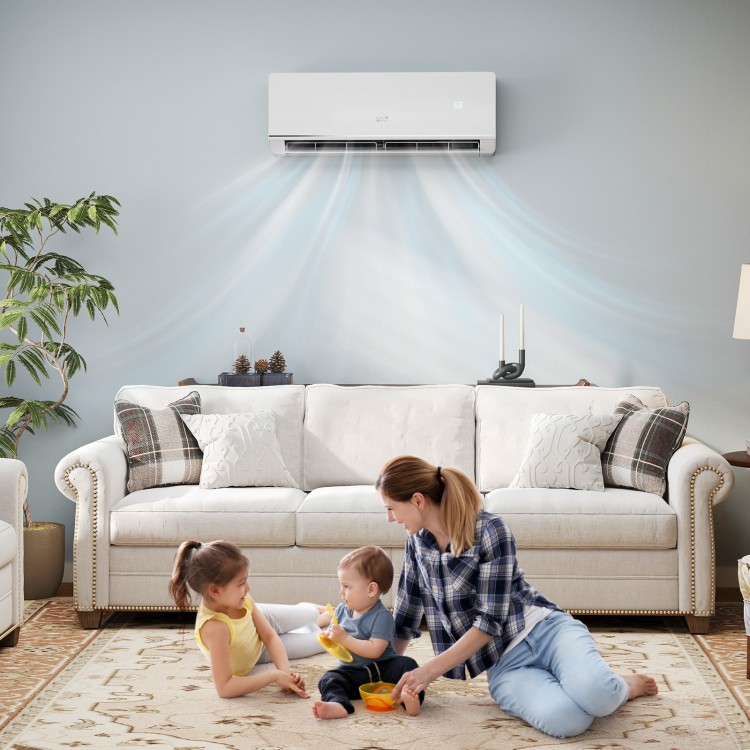
Warning Signs: When to Call an HVAC Pro Immediately?
How Much Does AC Maintenance Cost in 2026?

Conclusion
FAQs
1. Can regular maintenance reduce your AC bill?
2. What’s the difference between central AC and window AC maintenance?
3. Is DIY AC cleaning safe?
Newest Articles
-

What Is Canada Day and How Is It Celebrated?
Every July 1, communities across Canada come alive
0 Jul 02, 2026 -

How to Host a Mixed Grillade Party? (2026 Guide for Canada)
Hosting a backyard BBQ party in Canada is one of t
0 Jun 25, 2026 -

Best Wood for Outdoor Furniture: A Complete Buying Guide (2026)
Choosing the best wood for outdoor furniture is no
2 Jun 17, 2026 -

How to Choose the Perfect Outdoor Sectional: A Complete Canadian Buyer's Guide
When summer arrives in Canada, our unique climate-
0 Jun 11, 2026 -
How Do Portable Air Conditioners Work? A Complete Beginner's Guide
Portable air conditioners work by removing heat fr
1 Jun 04, 2026 -

The 10 Best Patio Sets for Small Spaces in Canada (2026)
Outdoor living has become increasingly important i
0 May 29, 2026